250 Calories a Samosa: Why Diet and Gym Must Work Together
One samosa takes about 30 minutes of brisk walking to burn off. Here is why a diet gym plan needs both halves, and what a new trial found when people combined them.
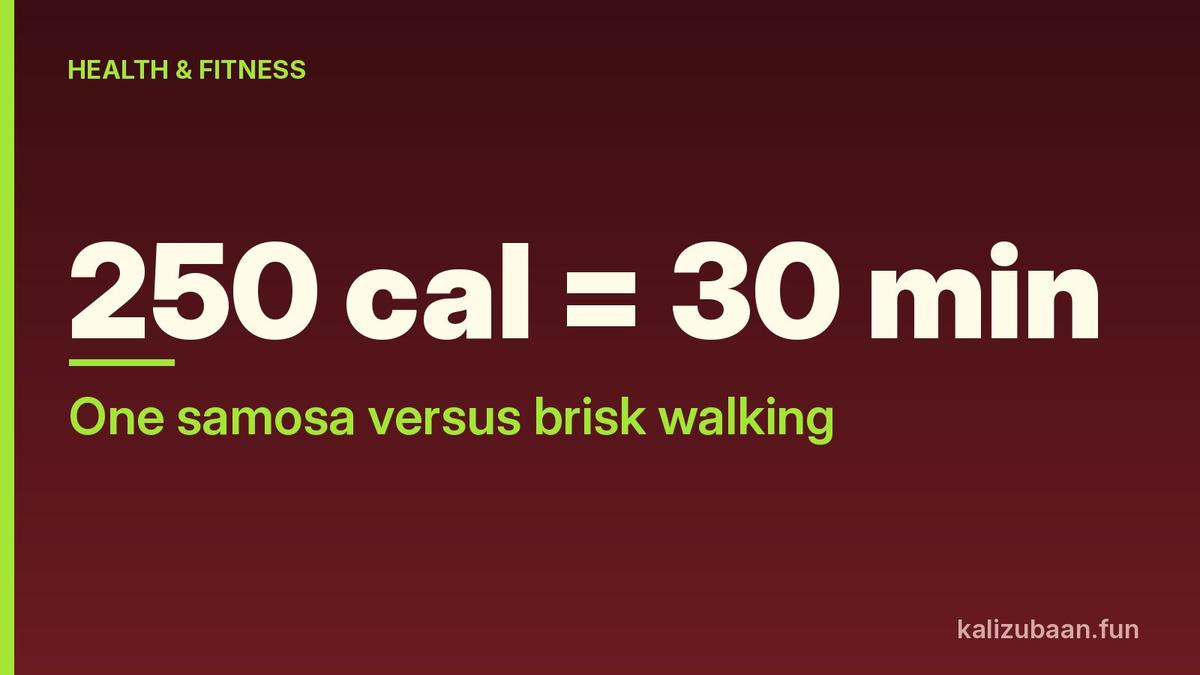
One samosa is roughly 250 calories. Burning it off takes close to 30 minutes of brisk walking, says bariatric surgeon Dr Neha Shah. That single swap explains why a diet gym plan that leans on only one side so often stalls.
Most of us pick a camp. Some live in the gym and order food on the way home. Others meal prep perfectly and skip the weights. The evidence says neither camp wins alone.
Quick answer
- Exercise alone is a slow way to lose weight, because food adds calories far faster than workouts remove them.
- Dieting without strength training loses weight, but a real chunk of that loss can be muscle, not fat.
- The plan doctors recommend is strength training two or three times a week, enough protein and a calorie deficit you can sustain.
- A new trial found 54% of young adults with type 2 diabetes reached remission when diet and exercise were combined.
Why can't you just burn it off at the gym?
You can't out-train a normal Indian dinner, because a meal adds calories much faster than an hour of activity removes them.
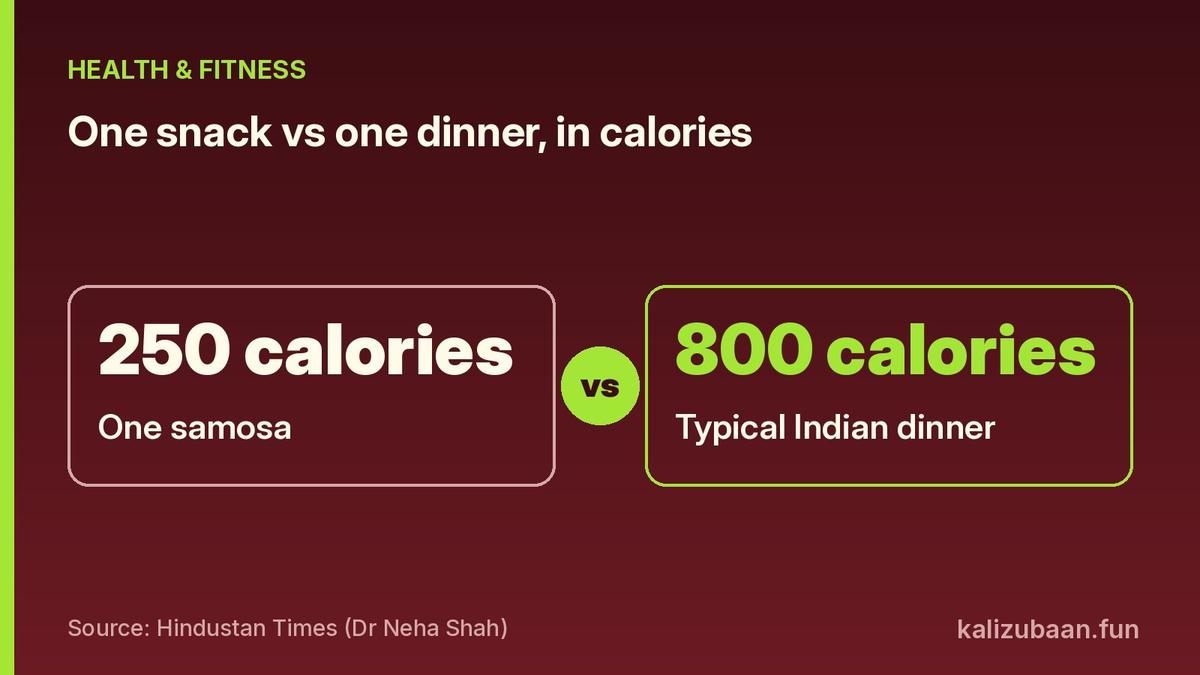
Dr Shah puts an ordinary dinner of rice, dal, sabzi and something sweet at easily 800 calories, and says burning that through exercise alone would need over an hour of moderate activity, daily (Hindustan Times).
For most working adults with commutes, kids and deadlines, that hour is not happening every day.
There is a second catch. Some patients feel hungrier after a hard gym session and eat more, which can quietly cancel out what they burned. So a tough workout is not a licence to skip portion control.
None of this means exercise is useless. Dr Shah stresses it still matters enormously for the heart, insulin sensitivity and mood. As a solo weight-loss strategy, she calls it simply inefficient.
What happens if you only diet and skip the gym?
You lose weight on the scale, but part of what disappears is muscle, which makes keeping the weight off harder later.
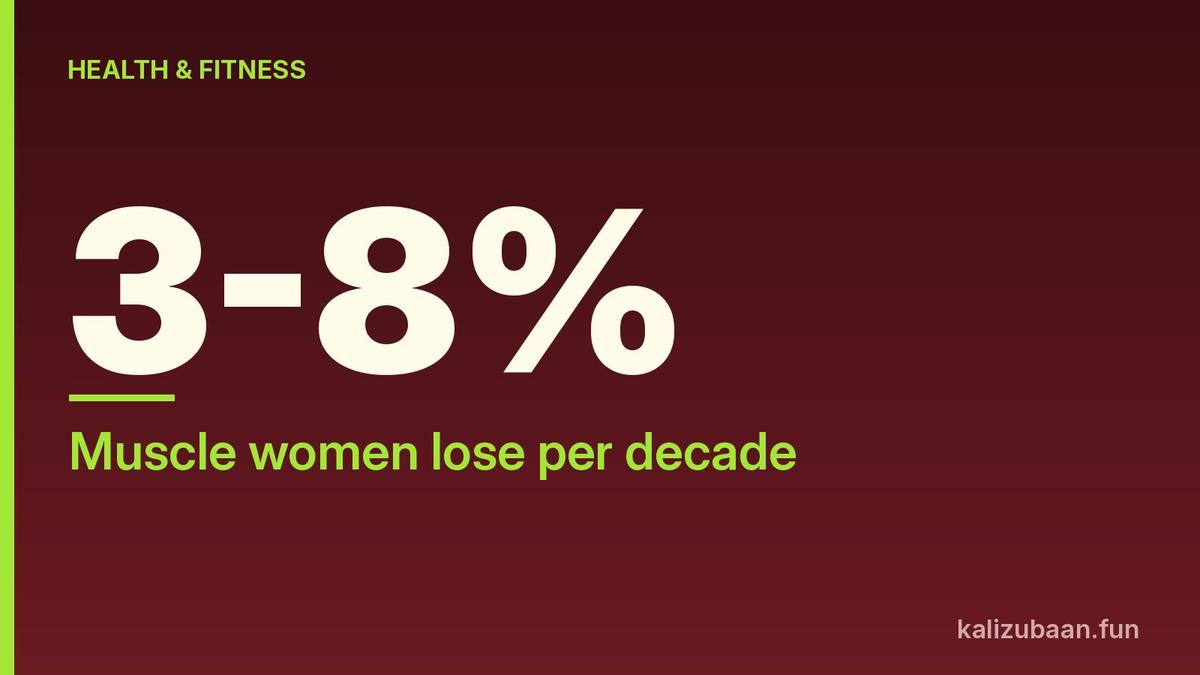
Dr Shah says patients who diet without lifting anything heavier than groceries do lose weight, but a real chunk of the loss is muscle, not fat (Hindustan Times). She describes women in their forties who came in lighter on paper but weaker, with a lower resting metabolism.
Muscle is costly tissue for the body to maintain. Lose it, and the next round of weight maintenance gets harder, not easier.
This matters even more for anyone on weight-loss medicines such as semaglutide or tirzepatide. Dr Shah warns that fast drug-driven weight loss without strength training tends to speed up muscle loss, so she adds resistance training from week one.
Source: Hindustan Times (Dr Neha Shah)
What does the research say about combining diet and exercise?
When researchers paired a low-calorie diet with supervised workouts, results were far stronger than usual care, including more fat loss and protected muscle.
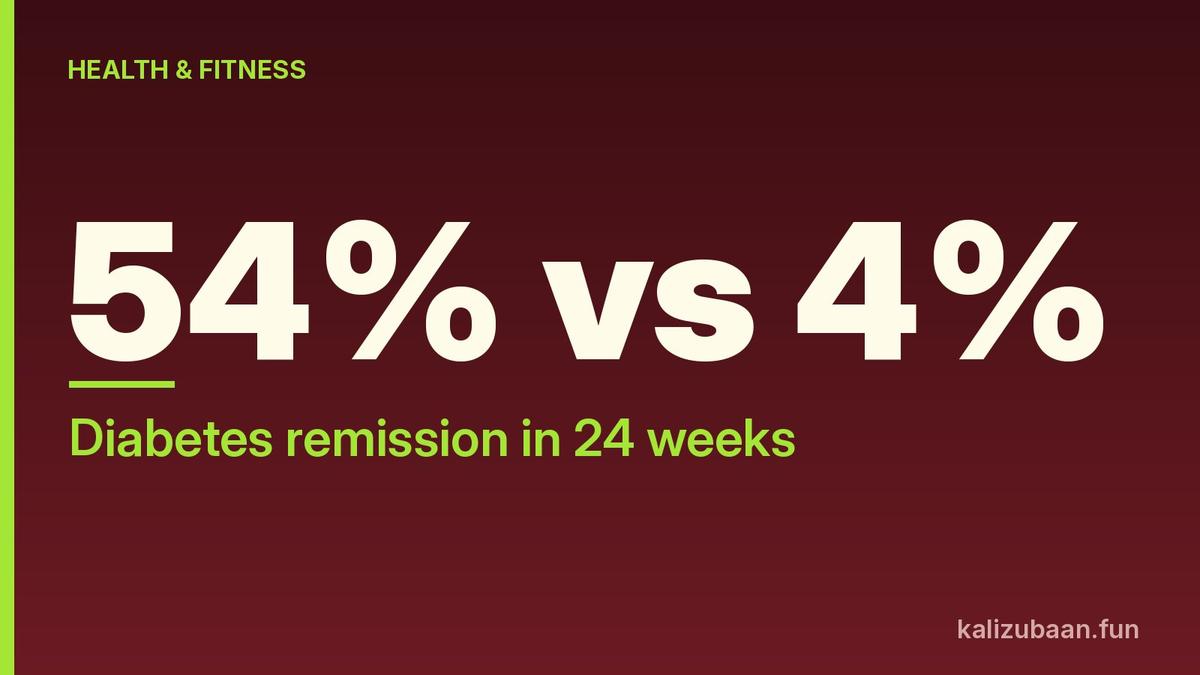
In the RESET for Remission trial, 54% of adults under 45 with type 2 diabetes reached remission after a diet plus supervised aerobic and resistance exercise programme, against 4% on usual care (ScienceDaily).
The combined group lost 8.4 kg over 24 weeks. After adjustment, they lost 7.5 kg more than the control group, and 6.6 kg of that extra loss was fat.
The researchers built resistance training into the hardest weight-loss phase on purpose. Their finding was that rapid fat loss is possible while preserving muscle.
What most guides miss: the trial's numbers show that most of the extra weight lost was fat. Of the 7.5 kg gap between the groups, 6.6 kg was fat, which is the outcome Dr Shah says a diet-only plan often fails to deliver.
How much exercise do you actually need each week?
The baseline is at least 150 minutes of moderate activity a week, plus muscle-strengthening work, which Dr Shah suggests doing two or three times a week.
The WHO says nearly one third (31%) of adults worldwide, about 1.8 billion people, don't meet the 150-minute weekly target (WHO). Its guidelines also say any activity is better than none, and muscle strengthening benefits everyone.
That 150 minutes can be split however your week allows: brisk walks after dinner, cycling to work, or a few gym sessions.
What should a balanced diet gym routine look like?
Pair two or three strength sessions a week with adequate protein and a modest calorie deficit, then protect your sleep and stress levels.
Dr Shah's long-term patients who keep weight off are almost always doing both, with strength training two or three times a week (Hindustan Times). "Neither one substitutes for the other," she says.
On the plate, standard healthy-diet guidance helps. It suggests at least 400 grams of fruits and vegetables a day and less than 5 grams of salt (Wikipedia). For an Indian thali, that means more sabzi and salad, and a lighter hand with salty pickles and namkeen.
A simple starting week might look like this:
- Two or three strength sessions: squats, push-ups, rows or gym machines.
- Daily walking that adds up towards 150 minutes a week.
- A protein source at each meal, such as dal, paneer, curd or eggs.
- Smaller portions of rice or roti at dinner rather than cutting meals entirely.
Do sleep and stress affect weight loss?
Yes. Poor sleep and chronic stress can push hunger and belly fat in the wrong direction even when diet and exercise are on track.
Dr Shah says poor sleep can disrupt leptin and ghrelin, the hormones that regulate hunger, and links chronic stress and cortisol to abdominal fat (Hindustan Times). She sees it constantly in people running on four hours of sleep.
If your workouts and meals look fine but the scale won't move, look at your bedtime before you cut more food.
Who should be careful?
Anyone with diabetes, heart disease, kidney problems, PCOS or a pregnancy should get medical advice before a calorie deficit or new training plan.
The diabetes trial above ran under medical supervision, and medications were stopped only under the study team's watch (ScienceDaily). Very low-calorie diets are not a do-it-yourself project.
FAQs
Can I lose weight with gym only and no diet?
You can, but slowly. Food adds calories much faster than workouts remove them, and some people eat more after hard sessions.
Will dieting without exercise make me lose muscle?
It can. Dr Shah says a real chunk of weight lost through diet alone is often muscle, which lowers your resting metabolism.
How many days a week should I do strength training for weight loss?
Dr Shah recommends structured strength training two or three times a week, alongside adequate protein and a sustainable calorie deficit.
Is walking enough to lose weight?
Walking helps your heart and mood, and counts towards the WHO's 150 minutes a week. For weight loss, pair it with portion control and some strength work.
Expert review: pending.
This article is for information only and is not medical advice. Talk to a doctor before changing your diet or training.
Related reading
- 10% Lean Mass Lost: Ram Kapoor's Ozempic Weight Loss Warning
- 0.5 to 1kg a Week: How to Weight Loss Fast Without a Fad Diet
- 10,000 Steps Not Enough? 5 Habits a Metabolic Coach Adds
Sources
Tagged Topics
Keep reading

Thanks for reading Kali Zubaan
Explore more articles in Health & Fitness or return to the main publication feed.


