0.5 to 1kg a Week: How to Weight Loss Fast Without a Fad Diet
Searching how to weight loss fast? The NHS says aim for 0.5 to 1kg a week, and an Indian doctor says copying someone else's viral diet rarely works. Here is a safer, personalised plan.
Two people of the same age and the same weight can eat the exact same plate and still need different calories. That is how Mumbai physician Dr Abhinav Walia explains why the viral diet your friend swears by may do nothing for you.
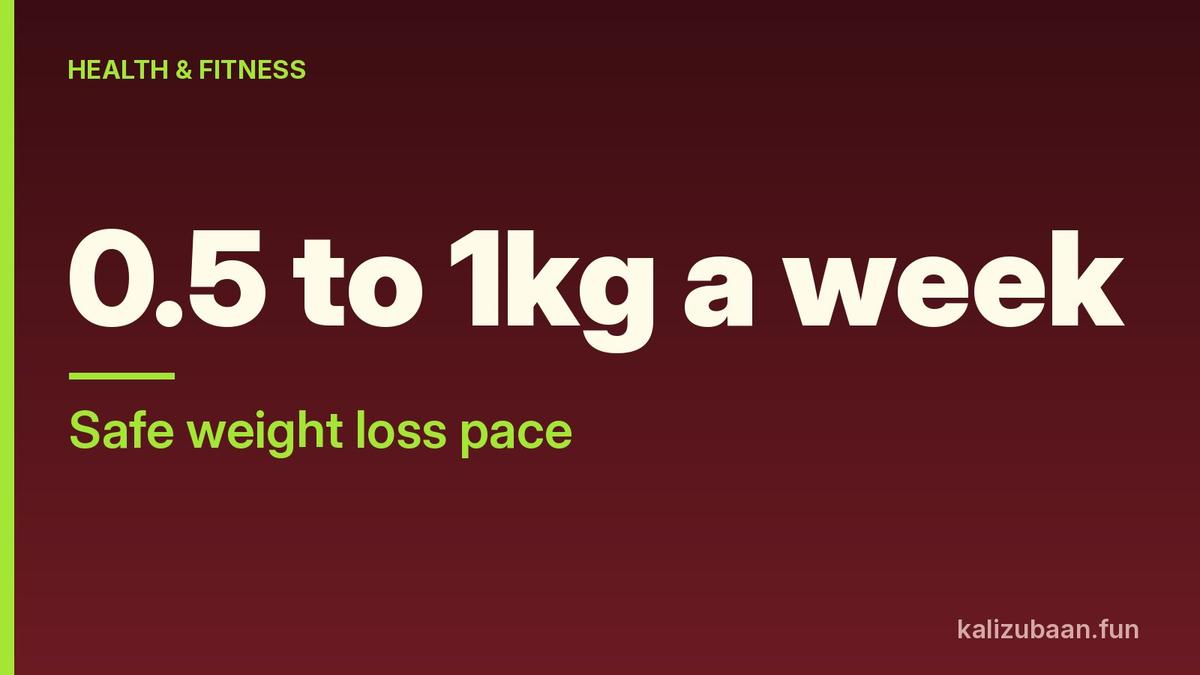
So if you are searching how to weight loss fast, the honest answer starts with a number most reels skip: the NHS says aim to lose 0.5 to 1kg a week, and not to lose weight suddenly with diets.
Quick answer
- A safe, steady pace is 0.5 to 1kg a week, according to the NHS.
- Your calorie needs depend on sleep, stress, exercise and past illness, so a copied diet often fails.
- Indian food like dal, roti, sabzi and curd can be part of weight loss; you do not need superfoods.
- If you are of South Asian background, the overweight BMI line starts lower, at 23 instead of 25.
This article is for information only and is not medical advice.
How fast can you safely lose weight?
The NHS says to aim for 1 to 2lbs, or 0.5 to 1kg, a week, and warns against losing weight suddenly with diets (NHS).
That may sound slow. But "fast" weight loss from crash diets is hard to keep up.
Dr Walia told HT Lifestyle that many diets promise impressive results, yet strict rules break down when you have to balance work, family and social life (Hindustan Times).
The basic maths does not change. You lose weight when you eat and drink fewer calories than your body uses, and do more physical activity to burn more.
What weight should Indians aim for?
People from a South Asian background face health risks at a lower BMI, so the NHS uses lower cut-offs for them.
For most adults, a BMI of 25 to 29.9 is overweight and 30 or more is obese. For South Asian, Chinese and some other backgrounds, 23 to 27.4 is overweight and 27.5 or higher is obese (NHS).
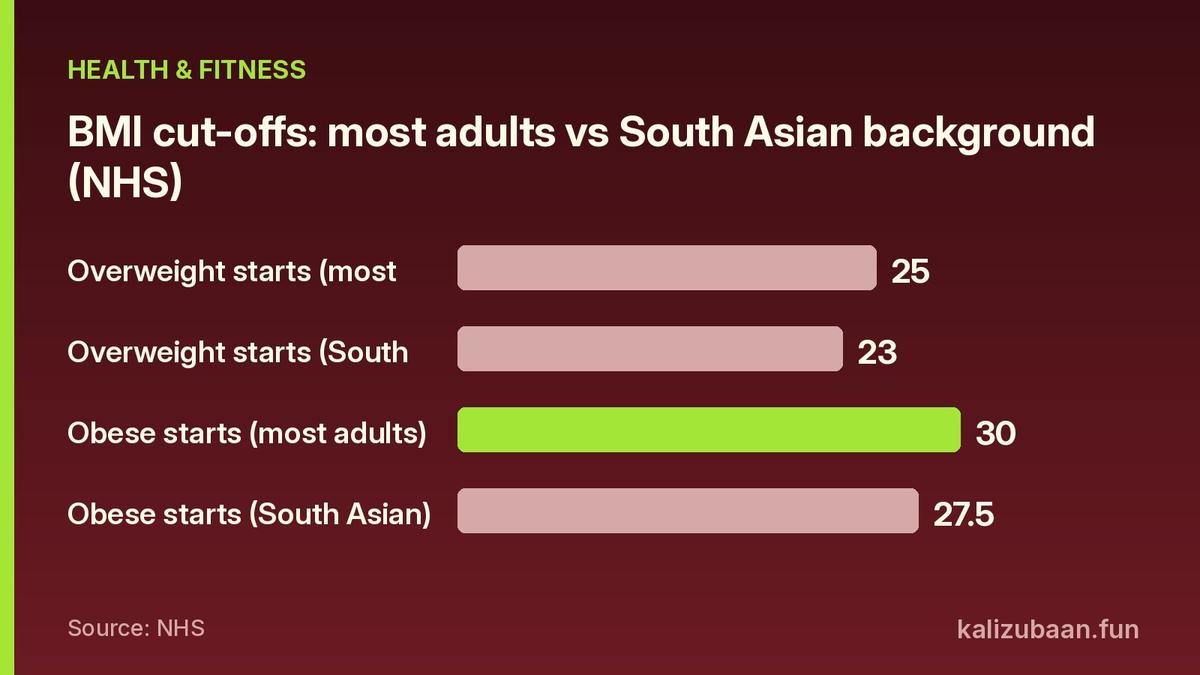
Source: NHS
What most guides miss: most "ideal weight" charts shared online use the standard 25 cut-off. On the NHS South Asian scale, someone sitting just under 25 is already in the overweight band, so many Indians who think they are "fine" have a reason to act sooner.
BMI is not perfect. The NHS notes it cannot tell muscle from fat. It also suggests keeping your waist size to less than half your height.
The good news: losing just 5 to 10% of your body weight can improve your health, says the NHS.
Why do viral diets not work for everyone?
Viral diets often fail because your body's needs are not the same as the influencer's, even at the same age and weight.
Dr Walia said sleeping patterns, stress levels, exercise routine and even past illnesses shape how much and what kind of food your body needs (Hindustan Times).
He also said weight alone does not tell the full story. Blood glucose, cholesterol numbers and nutrient deficiencies say more about what you should eat.
For example, someone with insulin resistance needs to watch carbohydrate intake. Someone low in B12 or iron has different needs again.
Your needs also shift with age. What worked in your 20s may not work in your 40s or 50s.
How many calories do you need a day?
As a rough guide, the NHS says an average woman uses around 2,000 calories a day and an average man around 2,500 (NHS).
Those are averages, not targets. Age, height, weight and how active you are all move the number up or down.
That lines up with Dr Walia's point: the label "average" hides a lot of difference between two people.
A practical way in is to read food labels. The NHS says products with more green colour coding than amber and red are often the healthier pick.
Can you lose weight on a normal Indian diet?
Yes. Dr Walia said healthy eating does not mean cutting out roti, rice or the food you grew up eating; it is about balance.
He called dal, roti, sabzi and curd "a perfectly healthy start", with extra protein, more vegetables or a change in the rice/roti portion depending on what you need (Hindustan Times).
There is no need for superfoods or complex menus. Small changes to familiar dishes often work.
If bloating, acidity or constipation is a problem, more fibre from fruit, vegetables, pulses and whole grains may help. Cutting out many foods without knowing the cause can backfire, he said.
What does a simple weight loss plan look like?
A simple plan is a few small habits done every week, not a crash challenge.
The NHS suggests these, one at a time (NHS):
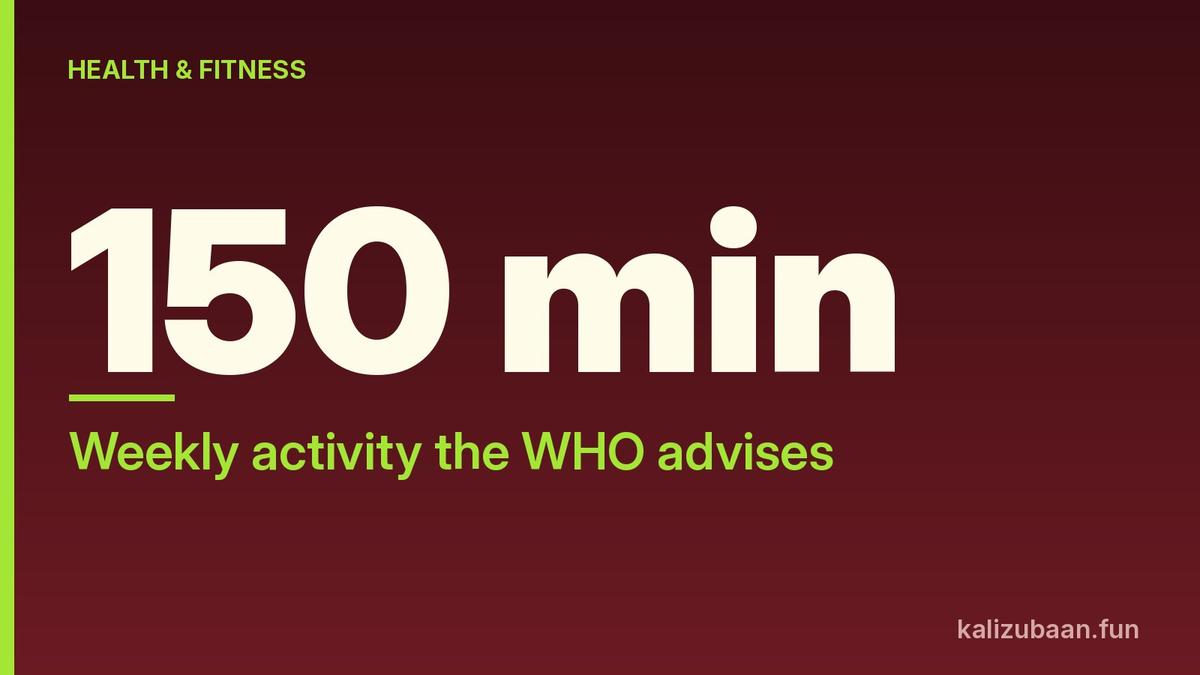
- Get active for 150 minutes a week. You can split it into shorter sessions.
- Get your 5 A Day. 80g of fresh, canned or frozen fruit or vegetables counts as one portion.
- Swap sugary drinks for water. Add lemon if plain water bores you.
- Do not skip meals. You may end up snacking more.
- Do not finish your plate if you are full. Save leftovers for the next day.
- Share your plan with someone you trust.
For people living with obesity, the NHS goes further and suggests being active for 45 to 60 minutes a day and weighing yourself regularly to track progress.
Who should be careful before trying to lose weight fast?
Anyone with a health condition should speak to a doctor before cutting calories hard.
The NHS says very low calorie diets (under 800 or 1200 calories) are not suitable or safe for everyone, and are usually only recommended with a dietician's support when weight is affecting other health conditions (NHS).
Take extra care if you have diabetes or pre-diabetes, high blood pressure, an eating disorder, or a condition such as an underactive thyroid. Some medicines, including some steroids and antidepressants, can also make weight harder to manage.
FAQs
How to weight loss fast at home without dieting?
Focus on habits you can keep: 150 minutes of activity a week, your 5 A Day, water instead of sugary drinks and not skipping meals. The NHS says a steady 0.5 to 1kg a week is the pace to aim for.
Is losing weight fast bad for you?
The NHS advises against losing weight suddenly with diets. Very low calorie diets are only for some people, with a dietician's support.
Do I need to stop eating roti and rice to lose weight?
No. Dr Abhinav Walia says healthy eating is about balance, and dal, roti, sabzi and curd make a healthy start.
What BMI is overweight for Indians?
The NHS says that for people of South Asian background, a BMI of 23 to 27.4 is overweight and 27.5 or higher is obese.
This article is for information only and is not medical advice. Talk to a doctor before changing your diet or training.
Related reading
- 150 Minutes a Week: Raveena Tandon's Simple Diet Plan, Decoded
- 10% Lean Mass Lost: Ram Kapoor's Ozempic Weight Loss Warning
- 2 Tiny Proteins: Why the Mediterranean Diet Helps Your Heart
Sources
Tagged Topics
Keep reading
Thanks for reading Kali Zubaan
Explore more articles in Health & Fitness or return to the main publication feed.