2 Tiny Proteins: Why the Mediterranean Diet Helps Your Heart
A new USC study links the Mediterranean diet to higher levels of two tiny proteins that may protect the heart and brain. Here is what it found and how to use it with dal, fish and an Indian thali.
Olive oil, fish, beans and lentils. People who ate more of these had more of two tiny proteins in their blood, and those proteins have been linked to protecting the heart and brain. That is the new finding on the Mediterranean diet from researchers at the University of Southern California.
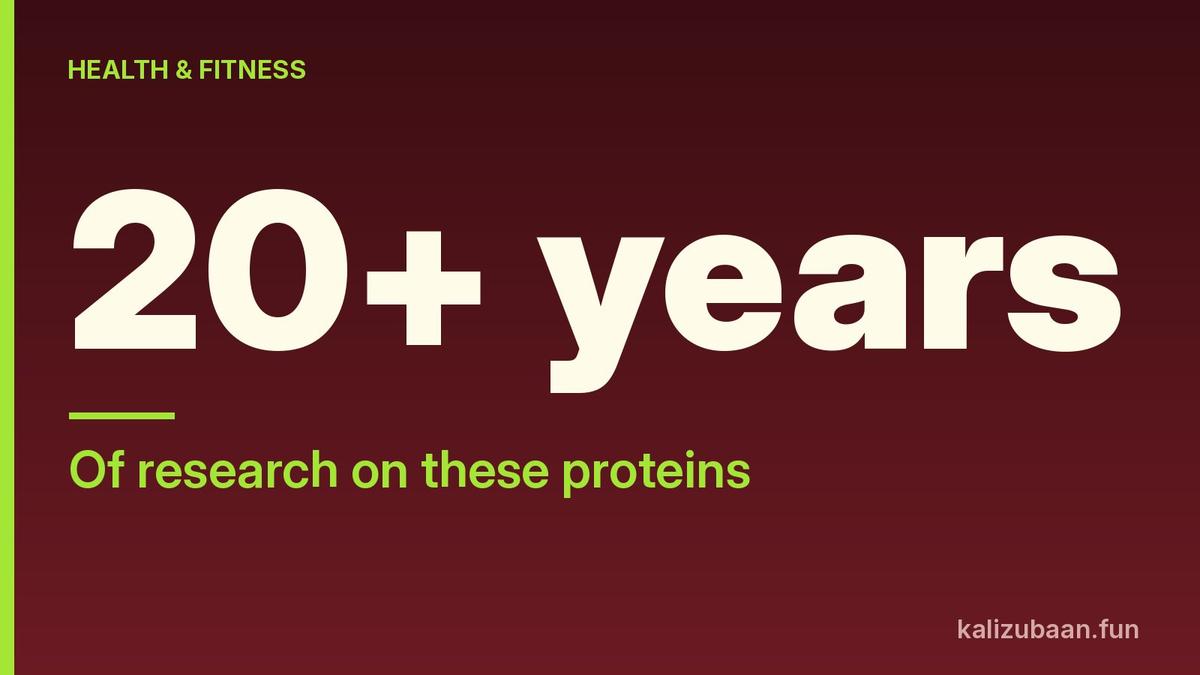
The proteins are called humanin and SHMOOSE. They are made inside your mitochondria, the parts of your cells that produce energy. The work builds on more than 20 years of research into these small proteins.
Quick answer
- Older adults who followed the Mediterranean diet most closely had significantly higher levels of humanin and SHMOOSE, two proteins linked to heart and brain protection.
- Olive oil, fish and legumes were linked to more humanin. Olive oil and fewer refined carbs were linked to more SHMOOSE.
- The study was small and observational, so it shows a link, not proof that the diet causes these changes.
What the Mediterranean diet study found
The team at the USC Leonard Davis School of Gerontology studied blood samples from older adults who followed the Mediterranean diet to different degrees.
Those whose eating matched the diet most closely had significantly higher levels of humanin and SHMOOSE. They also showed lower signs of oxidative stress, which is when harmful molecules overwhelm the body's defences.
Over time, oxidative stress can damage proteins, DNA and other parts of your cells. That damage feeds into ageing and chronic disease.
"These microproteins may act as molecular messengers that translate what we eat into how our cells function and age," said lead researcher Roberto Vicinanza.
Which foods were linked to which protein
This is the most useful part for your plate. Different foods lined up with different proteins.
- Humanin was higher in people who ate more olive oil, fish and legumes.
- SHMOOSE was higher in people who ate more olive oil and fewer refined carbohydrates.
Refined carbs are foods made from heavily processed grains and sugar, such as white bread, pastries and many sugary snacks. They usually have less fibre and fewer natural nutrients.
Humanin was first identified by the senior author, Pinchas Cohen, and colleagues in 2003. Later studies linked it to better insulin sensitivity, better heart health, longer life and protection of thinking skills.
SHMOOSE was found more recently by the same team. A genetic variant of it is linked to a higher risk of Alzheimer's disease, while the normal version appears to help protect nerve cells.
How it may protect your heart
The researchers also spotted a link between humanin and an enzyme called Nox2, which helps make reactive oxygen species. In excess, these molecules can damage blood vessels.
People with higher humanin tended to have lower Nox2 activity. So the Mediterranean diet may help the heart in two ways: by cutting oxidative stress directly, and by supporting these protective proteins.
The scientists are careful here. They say the link does not prove that the diet raises these proteins, or that the proteins prevent heart disease.
What a healthy diet looks like in numbers
The study does not give a daily target. But the World Health Organization's healthy diet guidance, summarised on Wikipedia, does put clear numbers on a few basics.
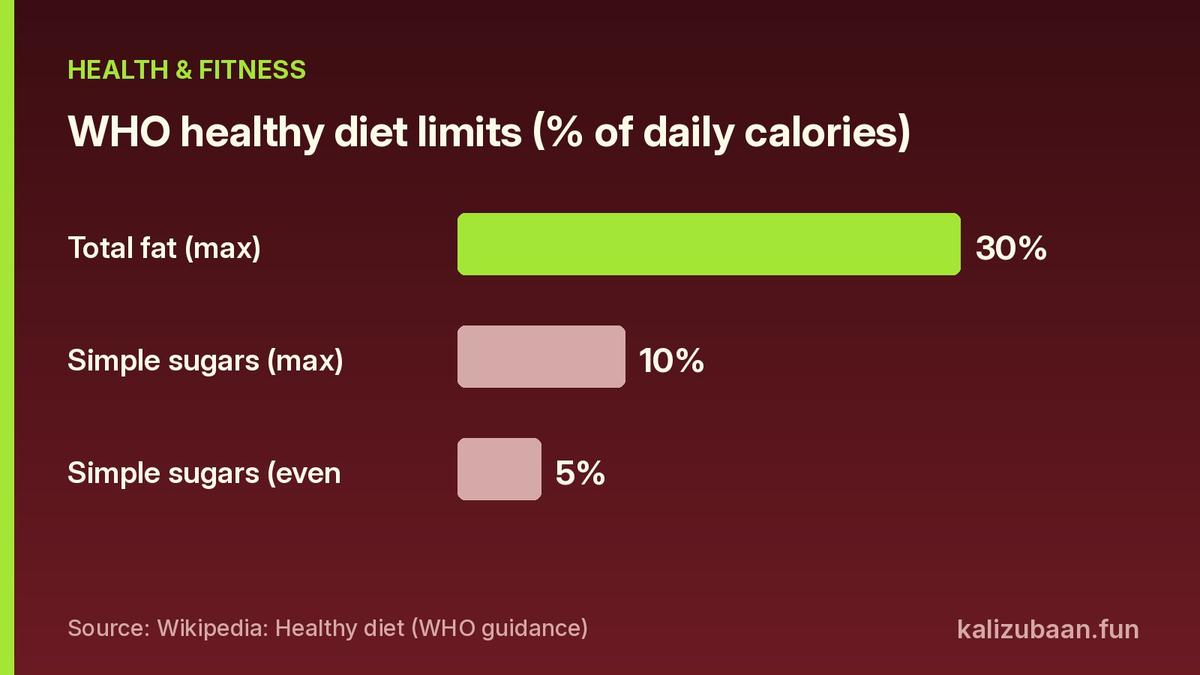
Source: Wikipedia: Healthy diet (WHO guidance)
The same guidance says to eat at least 400 grams of fruits and vegetables a day, not counting potatoes and other starchy roots. It also says less than 5 grams of salt a day can reduce the risk of heart disease.
The WHO has also said that too few vegetables and fruit cause 2.8% of deaths worldwide.
How to use this on an Indian diet
You do not need to eat like someone in Italy to borrow the main ideas. Here is how the foods in the study map to a normal Indian kitchen.
- Lean on legumes. Legumes were linked to more humanin. Dal, rajma, chana and moong are all legumes, so a daily bowl already fits the pattern.
- Add fish if you eat it. Fish was the other humanin-linked food in the study.
- Cut refined carbs. Fewer refined carbs were linked to more SHMOOSE. Go easy on maida, white bread, biscuits and bakery snacks.
- Fill half the plate with sabzi and fruit. Aim for the 400 grams of fruits and vegetables a day the WHO suggests.
- Watch the salt. Pickles, papad and namkeen add up fast against the 5 gram limit.
Olive oil showed up for both proteins, but the study does not say how much to use. Treat it as one part of the pattern, not a magic oil.
Who should be careful
If you have diabetes, heart disease, kidney disease or are pregnant, talk to your doctor before changing your diet. This study looked at older adults, so it may not apply the same way to everyone.
The researchers say the next step is to test whether eating a Mediterranean-style diet actually raises these proteins and improves heart health, brain function or disease risk.
FAQs
What is the Mediterranean diet? It is an eating pattern built around olive oil, fish, beans, lentils, fruits and vegetables. It has long been linked to lower risk of heart disease, type 2 diabetes and cognitive decline.
What are humanin and SHMOOSE? They are tiny proteins made inside your mitochondria. Both have been linked to protection against heart disease and damage to nerve cells.
Does this study prove the diet protects the heart? No. It was small and observational. It found a link between the diet and higher protein levels, not proof of cause.
Can I follow it with Indian food? The core ideas fit an Indian plate: more dal and other legumes, vegetables and fruit, fish if you eat it, and fewer refined carbs.
This article is for information only and is not medical advice. Talk to a doctor before changing your diet or training.
Sources
Tagged Topics
Keep reading
Thanks for reading Kali Zubaan
Explore more articles in Health & Fitness or return to the main publication feed.