1.3 Pounds Lost: Weight Loss Kaise Kare With an Earlier Bedtime
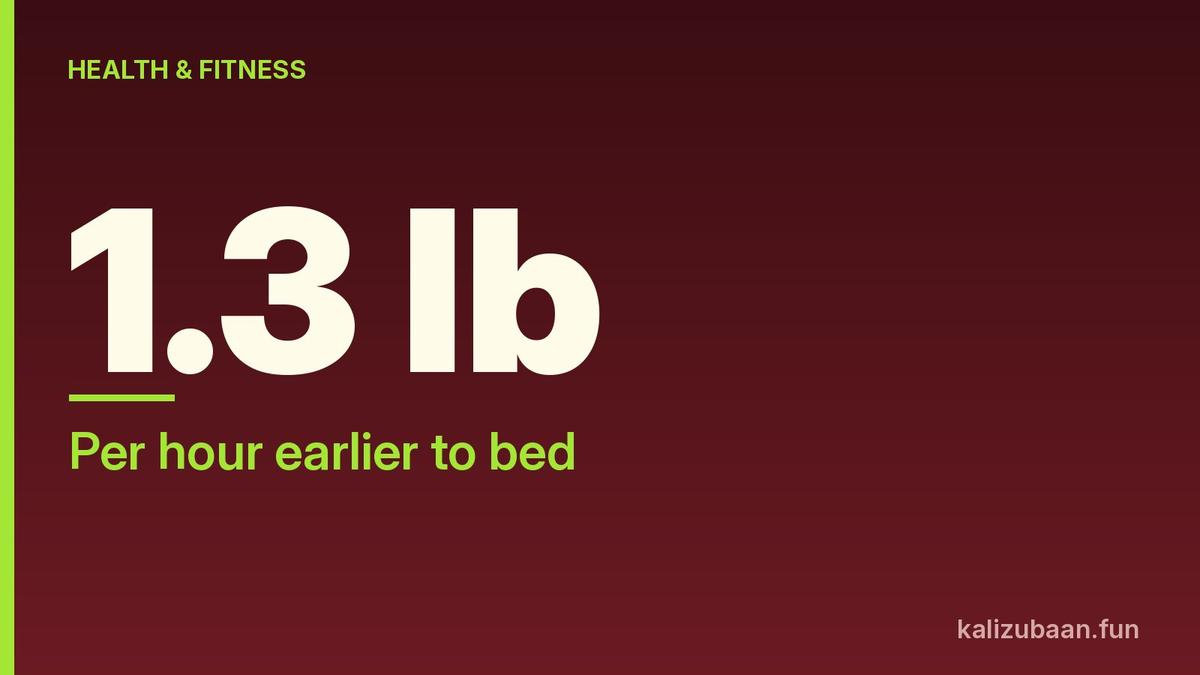
Weight loss kaise kare if diet and exercise are not enough? A new trial of 196 adults with prediabetes found each hour earlier to bed was linked to about 1.3 pounds more weight loss in eight weeks.
If you are searching "weight loss kaise kare", you have probably heard the usual answers: eat less, move more. A new study adds one you can do lying down. Going to sleep earlier.
In a trial of 196 adults with prediabetes, each hour earlier that people fell asleep was linked to about 1.3 pounds of extra weight loss over eight weeks. Here is what the study really found, and what it does not prove.
Quick answer
- A randomised trial of 196 adults with prediabetes and short sleep linked earlier sleep onset with greater weight loss.
- Each hour earlier was associated with about 1.3 pounds of weight loss over eight weeks, regardless of total sleep time.
- Adding sleep coaching improved sleep quality and daytime sleepiness, but did not change blood sugar.
- The bedtime link came from a post hoc analysis, so it shows an association, not proof that sleeping early causes weight loss.
This article is for information only and is not medical advice. Talk to a doctor before changing your diet or training.
What did the earlier bedtime study find?
Falling asleep earlier was linked to more weight loss in adults with prediabetes, independent of how long they slept.
Researchers at NYU Rory Meyers College of Nursing found that each hour earlier participants fell asleep was associated with about 1.3 pounds of weight loss over eight weeks (NYU Rory Meyers College of Nursing). The study was published in the journal Nursing Research.
"When we fall asleep, not just how much we sleep, seems to be an important and overlooked factor for weight loss and metabolic health," said lead author Susan Kohl Malone.
The surprise was what did not work. The team expected longer sleep to improve blood sugar and weight loss. It did not.
Who was in the study, and how was it run?
The trial enrolled 196 adults aged 21 to 64 with prediabetes who slept less than 6.5 hours a night.
Participants were randomly assigned to an eight-week lifestyle programme, or the same programme plus a sleep component (NYU Rory Meyers College of Nursing). Everyone met researchers weekly on video calls to learn about healthy eating, physical activity and stress management.
The sleep group also got sessions on sleep hygiene, training the brain to see the bed as a cue for sleep, and a plan to move bedtime earlier step by step.
Before and after, participants wore continuous glucose monitors and research-grade wrist trackers called actigraphs to measure sleep.
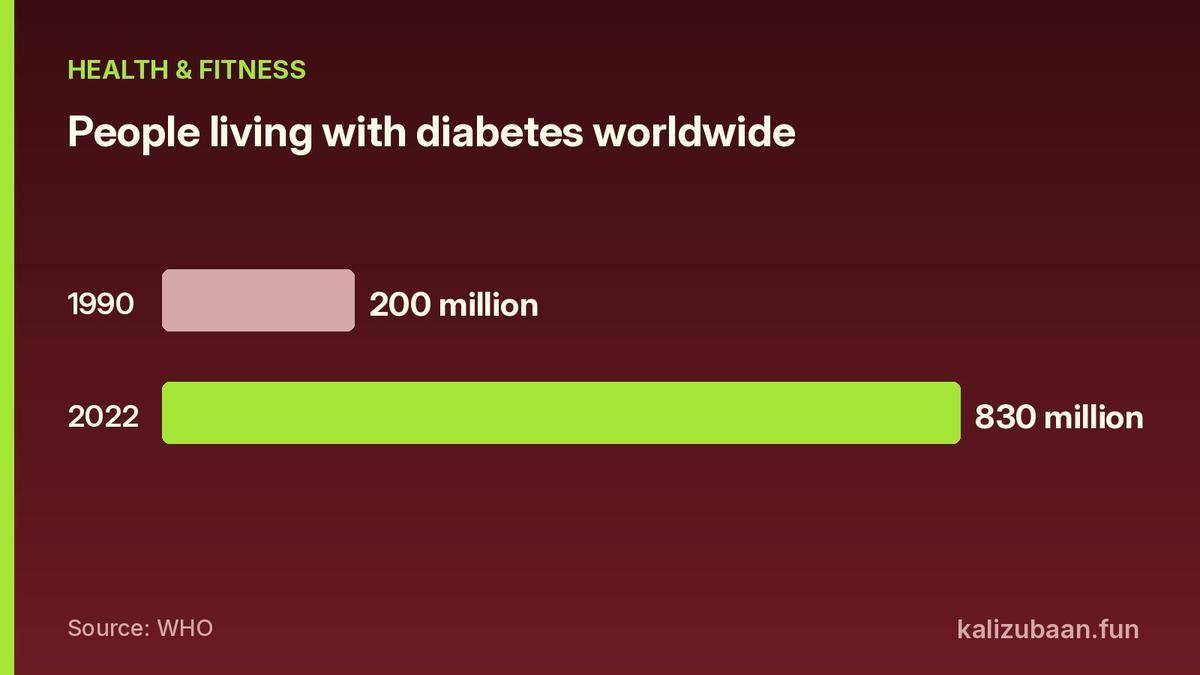
The trial was about diabetes prevention, and diabetes keeps climbing worldwide (WHO).
Source: WHO
Did sleeping longer lower blood sugar?
No. Neither programme changed glucose levels, which was the trial's main outcome.
The published abstract says there was no significant difference between the groups in time spent with glucose above 140 mg/dL (Nursing Research). Both groups slept more and lost weight, with no significant difference between them on either.
The sleep-coaching group did report better sleep quality and less daytime sleepiness. Its members' sleep timing also shifted earlier.
Why might an earlier bedtime help with weight loss?
Going to bed earlier may cut late-night eating and line up meals with the hours when the body handles food best.
Late bedtimes can lead to eating at night, when insulin sensitivity and glucose tolerance are at their lowest, the NYU team said (NYU Rory Meyers College of Nursing).
They also point to other possible reasons. Staying up late means more artificial light, more activity in the body's "fight or flight" nervous system, and more appetite driven by the hunger hormone ghrelin.
Short sleep itself can raise stress hormones such as cortisol, which promote insulin resistance and can increase hunger and food intake.
What most guides miss: in this trial, sleep timing beat sleep length. The abstract says changes in sleep duration were not linked to weight loss, while earlier sleep onset was. So for someone asking "weight loss kaise kare", sleeping at 11 instead of 1 may matter more than lying in bed an extra hour in the morning, though this still needs proper testing.
Does this mean sleeping early will make you lose weight?
Not on its own, and not for certain. The bedtime link came from a post hoc analysis, which looks for patterns after the main results are in.
The authors call circadian timing a "promising and modifiable target" and say trials designed to test sleep timing are still needed (Nursing Research).
It was also one study of a modest group, and only of people with prediabetes who slept less than 6.5 hours a night (We Are Healthy).
That outlet calls a consistent, somewhat earlier bedtime a low-risk habit the findings support, while noting the evidence is preliminary.
Why does this matter for diabetes prevention?
Diabetes is rising fast, and prevention still rests on diet, activity and weight. Sleep timing may become one more tool.
The WHO says the number of people living with diabetes rose from 200 million in 1990 to 830 million in 2022 (WHO). It adds that prevalence has been rising faster in low- and middle-income countries.
The WHO lists a healthy diet, regular physical activity, a normal body weight and avoiding tobacco as ways to prevent or delay type 2 diabetes. An earlier bedtime does not replace any of those.
If you have prediabetes and often sleep under six and a half hours, raise your sleep habits with your doctor alongside diet and activity goals.
FAQs
Weight loss kaise kare with sleep?
A new trial found that falling asleep earlier was linked to more weight loss in adults with prediabetes, about 1.3 pounds per hour earlier over eight weeks. Keep your diet and activity plan too.
Does sleeping early help you lose weight?
It may. The NYU study found an association, but it came from a post hoc analysis, so it does not prove that sleeping early causes weight loss.
Did the study improve blood sugar?
No. Neither the lifestyle programme nor the added sleep coaching changed glucose levels in the trial.
Who was in the bedtime and weight loss study?
196 adults aged 21 to 64 with prediabetes who slept less than 6.5 hours a night.
Expert review: pending.
This article is for information only and is not medical advice. Talk to a doctor before changing your diet or training.
Related reading
- 54% in Remission: Can Type 2 Diabetes Be Reversed With Diet?
- 10% Lean Mass Lost: Ram Kapoor's Ozempic Weight Loss Warning
- 0.04 kg in 12 Weeks: Does Green Tea Help Weight Loss?
Sources
- NYU Rory Meyers College of Nursing: Earlier Bedtime Linked to Weight Loss in Prediabetes
- Nursing Research: Randomized Controlled Trial of Lifestyle Plus Sleep Extension Intervention on Adults With Prediabetes and Short Sleep
- We Are Healthy: Earlier Bedtimes Linked to Weight Loss in Prediabetes
- WHO: Diabetes fact sheet
Tagged Topics
Keep reading



Thanks for reading Kali Zubaan
Explore more articles in Health & Fitness or return to the main publication feed.