6 to 8 Weeks: Katrina Kaif on Post Pregnancy Body Shaming
Katrina Kaif answered post pregnancy body shaming with Bounce back? From where? Here is what she said, and what the NHS says real recovery after birth looks like.
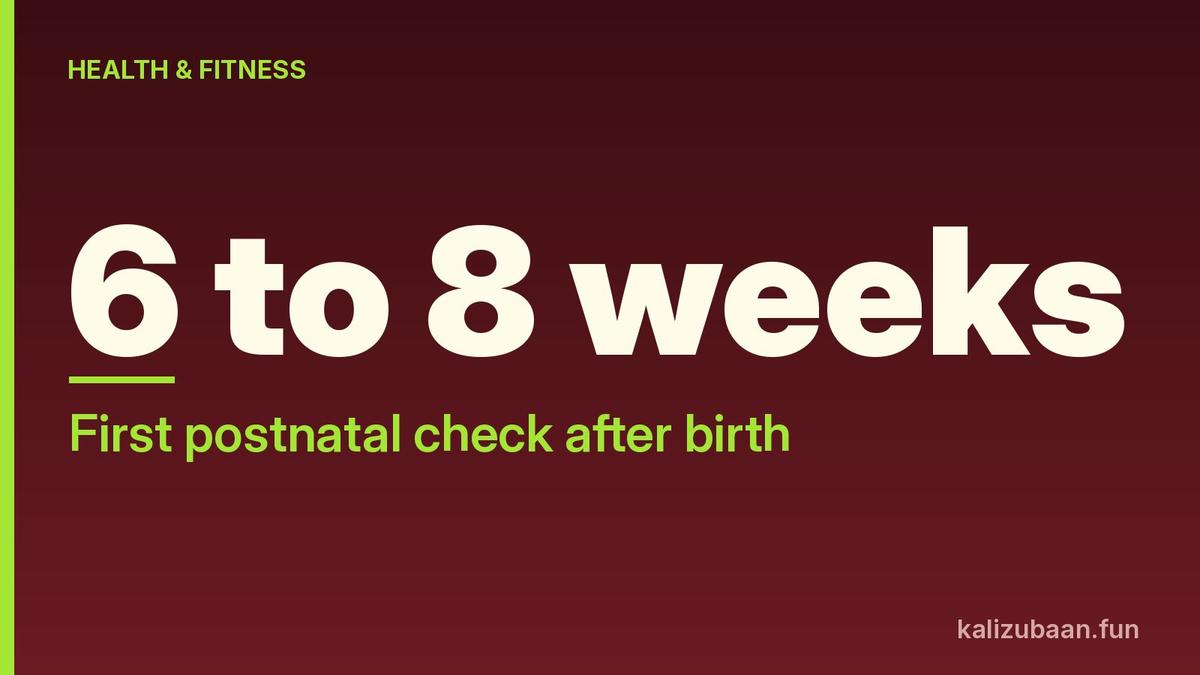
"Bounce back? From where?"
That was Katrina Kaif's reply to the trolls who spent weeks comparing her old photos with pictures from the Ambani family's Ganesh Chaturthi celebrations on September 14. It was her first major public appearance in months as a new mom, and the internet turned harsh within hours.
Her answer to the Katrina Kaif post pregnancy body shaming came in an October 28 interview with Vogue India. And it lines up neatly with what health services actually say about a woman's body after birth.
Quick answer
- Katrina Kaif said she is "very aware" of her fitness journey and will reach her fittest self at her own pace.
- The NHS suggests a postnatal check at around 6 to 8 weeks after birth to talk about any physical or mental health problems.
- Separated stomach muscles are common in pregnancy and usually go back to normal by the time the baby is 8 weeks old.
- Gentle pelvic floor and deep stomach exercises come first; sit-ups, planks and high-impact workouts are best avoided at the start.
What did Katrina Kaif say about post pregnancy body shaming?
Katrina Kaif said people already know what a woman's body goes through after birth, so judging it harshly is a personal choice, not a lack of information.
In her Vogue India interview, quoted by Hindustan Times, she said, "I am very aware of my fitness journey and where my body feels at its most energetic. I will reach there at my own pace" (Hindustan Times).
She also questioned the whole idea of "bouncing back". In her words, she had taken "a step ahead" to something she deeply wanted, so why would she want to go back?
She spoke about the first few days after giving birth and seeing her son Vihaan's face, after what she called four years of a tumultuous journey for her and Vicky Kaushal.
Why did the photos of Katrina Kaif go viral?
The photos went viral because social media users posted "before and after" collages that set her pre-pregnancy pictures against cropped shots from the Ambani event.
Hindustan Times reported that these "then and now" edits flooded Instagram within hours, picking apart her postpartum figure (Hindustan Times).
The pushback was just as fast. Women across social media called out the "toxic" standards that female celebrities are routinely held to.
That counter-movement matters for ordinary new mothers too. Most of them face the same questions from relatives at home, just without the paparazzi.
How long does a woman's body take to recover after birth?
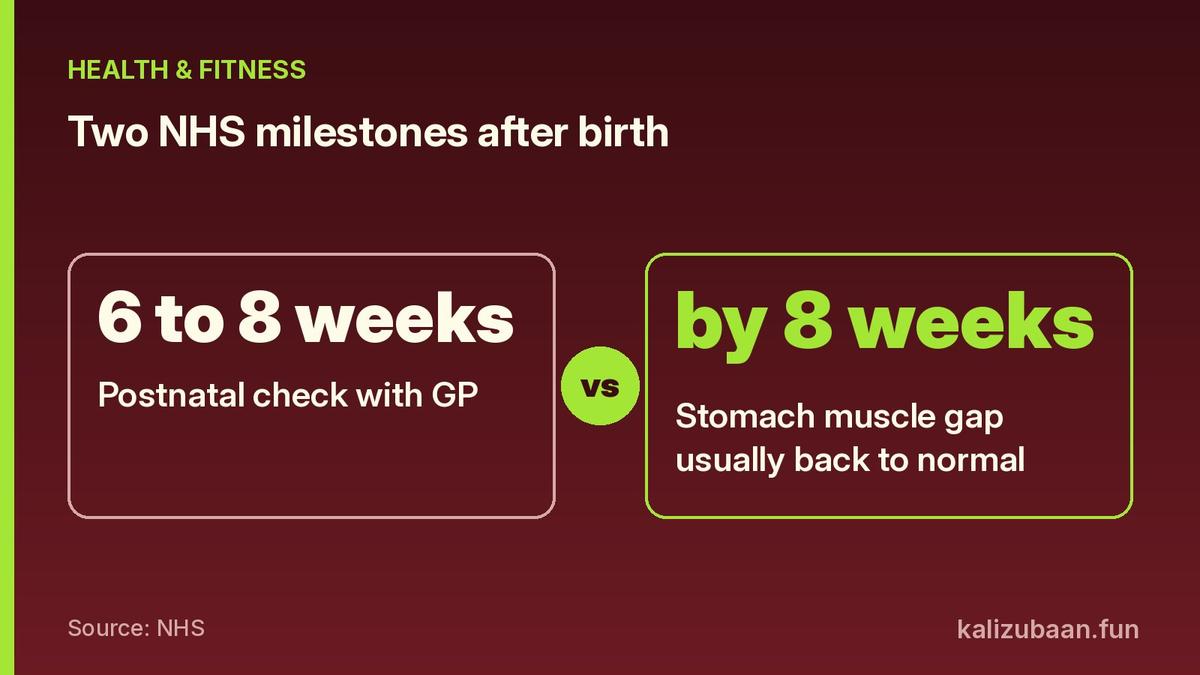
There is no single deadline, but the NHS treats the first 8 weeks as a key window, with a postnatal check at around 6 to 8 weeks.
The NHS says that check is a good time to talk to a GP about any physical or mental health problems since the birth (NHS).
One common change is separated stomach muscles, called diastasis recti. The NHS says the 2 muscles down the middle of the stomach often separate during pregnancy, usually by about 2 finger widths, and the gap will usually go back to normal by the time the baby is 8 weeks old.
Source: NHS
What most guides miss: the NHS milestones are about healing, not about looks. Nothing in that 8-week window is a target for weight or shape, which is exactly the point Katrina made when she rejected the idea of bouncing back on someone else's timeline.
If the gap is still obvious 8 weeks after birth, the NHS says to contact a GP, who can refer you to a physiotherapist.
What exercise is safe after pregnancy?
The NHS starts with pelvic floor exercises and gentle deep stomach exercises, and suggests avoiding sit-ups, planks and high-impact workouts at first.
Pelvic floor exercises strengthen the muscles around the bladder, vagina and bottom, and the NHS suggests building up to 10 repeats of each exercise, at least 3 times a day (NHS).
Here is the basic routine the NHS describes:
- Long squeezes: squeeze and hold for as long as you can, but no longer than 10 seconds, then relax.
- Short squeezes: squeeze quickly, then let go straight away, until the muscles feel tired.
- Breathe normally the whole time, and don't pull in your stomach while you squeeze.
For the stomach, the NHS suggests lying on your side with knees slightly bent, gently drawing in the lower tummy as you breathe out, squeezing the pelvic floor at the same time, and holding for a count of 10. Repeat up to 10 times.
Posture matters as well. Standing tall, avoiding straining on the toilet and skipping heavy lifting all help the stomach muscles heal.
How can new mothers in India deal with body shaming?
The simplest answer, from Katrina's own words, is to judge your recovery by your energy and health, not by comments or old photos.
Hindustan Times summed up her stance as putting her physical and mental health, her child and her own timeline ahead of social media expectations (Hindustan Times).
A few things that help in an Indian home, where the pressure often comes from family rather than strangers:
- Use the postnatal check. Bring your questions to the doctor, not to relatives or Instagram.
- Track what you can feel. Less back pain, a stronger pelvic floor and more energy are real progress.
- Protect your back during daily chores. The NHS suggests kneeling or squatting for low tasks, changing nappies on a raised surface, and keeping your back straight when lifting.
- Speak up early. If something bothers you, physical or mental, the NHS says you can ask a GP or health visitor for help at any time.
FAQs
What did Katrina Kaif say about bouncing back after pregnancy?
She asked, "Bounce back? From where?" and said she had taken a step ahead, not backward. She said she will reach her fittest self at her own pace.
When can I start exercising after giving birth?
The NHS suggests gentle pelvic floor and deep stomach exercises first, and avoiding sit-ups, planks and high-impact exercise to start with. Discuss anything more at your postnatal check, around 6 to 8 weeks after birth.
Is it normal for stomach muscles to separate after pregnancy?
Yes. The NHS says it is common and the gap usually goes back to normal by 8 weeks after birth. If it is still obvious then, see a GP.
How many pelvic floor exercises should I do a day?
The NHS suggests building up to 10 repeats of each exercise, at least 3 times a day.
Expert review: pending.
This article is for information only and is not medical advice. Talk to a doctor before changing your diet or training.
Related reading
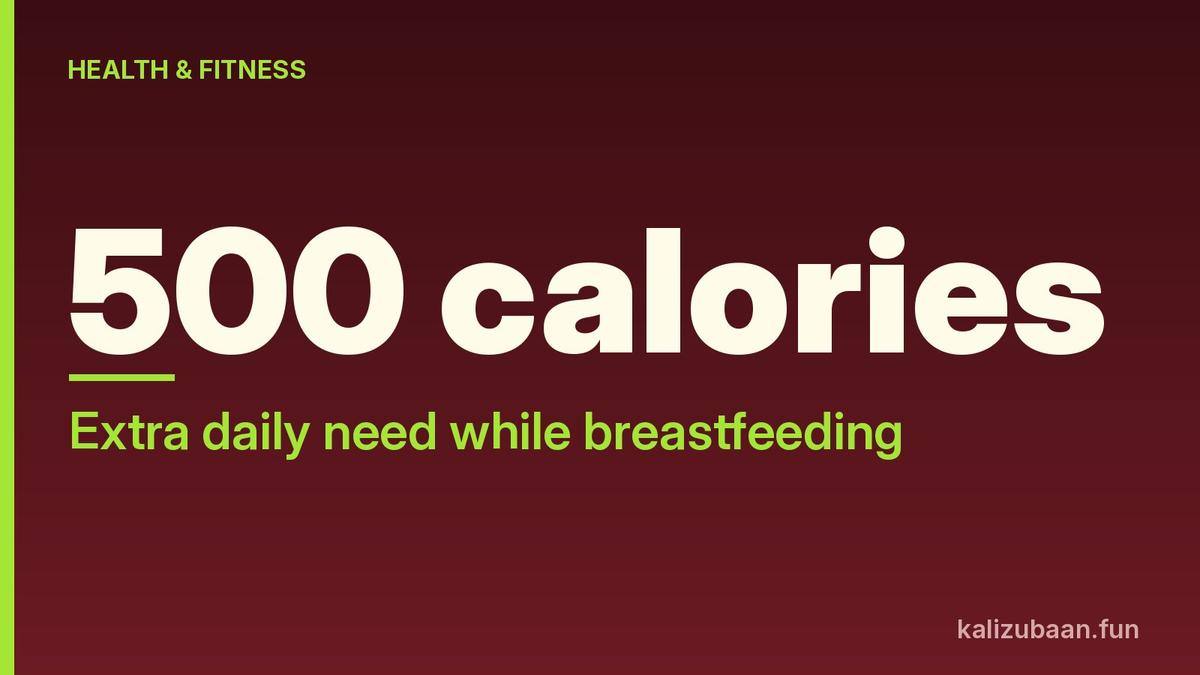
- 500 Extra Calories a Day: What New Mothers Need to Eat
- 10,000 Steps Not Enough? 5 Habits a Metabolic Coach Adds
- 2 Tiny Proteins: Why the Mediterranean Diet Helps Your Heart
Sources
Tagged Topics
Keep reading
Thanks for reading Kali Zubaan
Explore more articles in Health & Fitness or return to the main publication feed.