500 Extra Calories a Day: What New Mothers Need to Eat
Exclusively breastfeeding mothers need about 500 more calories a day, but skipping meals and crash diets can slow recovery. What health agencies say a new mother's plate should look like.
A new baby arrives, and suddenly everyone is eating except the mother. Feeds every few hours, broken sleep and visiting relatives leave little time for a proper meal.
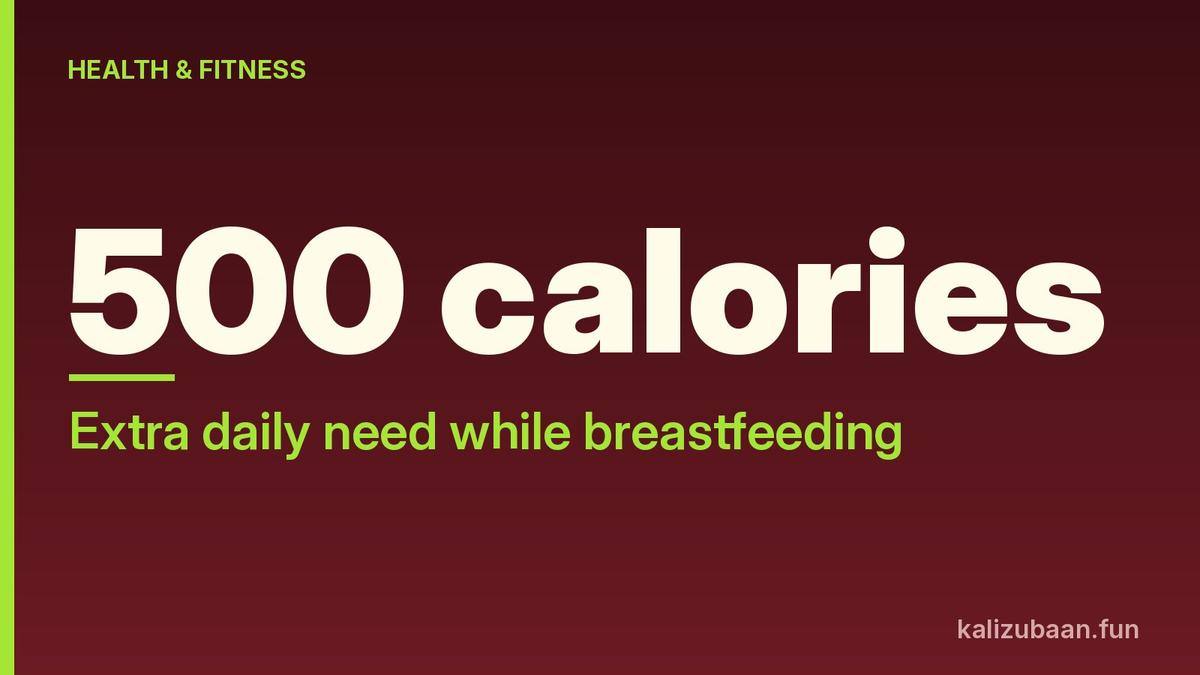
That matters more than it seems. Women who are exclusively breastfeeding need about 500 more calories per day than they did before pregnancy, according to the US National Library of Medicine's MedlinePlus.
Quick answer
- Exclusively breastfeeding mothers need roughly 500 extra calories a day, ideally from fruits, vegetables, whole grains and lean protein.
- Don't skip meals or crash diet. MedlinePlus suggests 5 to 6 small meals a day and at least 12 cups of fluid.
- Iron, protein, calcium-rich dairy, fibre and vitamin D all come up in official advice for new mothers.
- Wait until your 6-week checkup before trying to lose weight, and lose it slowly.
Why the weeks after birth matter so much
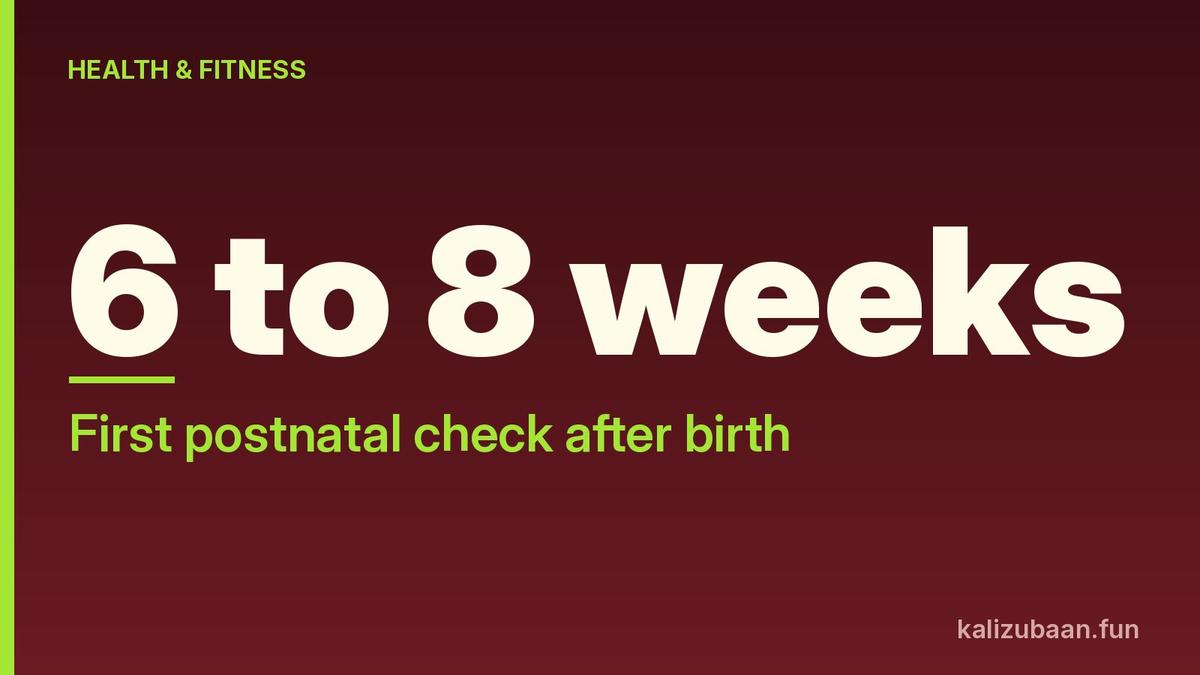
The postpartum period usually lasts six to eight weeks after childbirth. Its later, delayed phase can stretch up to six months.
It is also a time when health problems are very common. Studies summarised on Wikipedia found that 87% to 94% of women report at least one health problem in the weeks after birth, and 31% report long-term problems.
The World Health Organization calls the first six weeks after birth a critical time for the mother's physical and mental recovery. Yet more than 3 in 10 women and babies worldwide do not get postnatal care in the first days after birth, the WHO says.
This week a gynaecologist told HT Lifestyle that new mothers need more than extra calories after delivery. The official guidance backs that up: what you eat matters as much as how much.
How much more should a new mother eat?
The headline number is about 500 extra calories a day for women who are exclusively breastfeeding, compared with before pregnancy.
MedlinePlus says these calories should come from healthy choices, such as fruits, vegetables, whole grains and lean protein. Fried snacks and sweets add calories without the nutrients a recovering body needs.
The UK's NHS adds a reassuring note. You do not need a special diet while breastfeeding. You just need a healthy, varied diet every day, like everyone else.
Iron: the nutrient that changes after pregnancy
Iron helps the body make haemoglobin, which carries oxygen in the blood. Low iron can lead to anaemia, with tiredness, weakness and trouble concentrating, according to the US National Institutes of Health.
Here is how the daily recommended amount changes across these stages, per the NIH Office of Dietary Supplements:
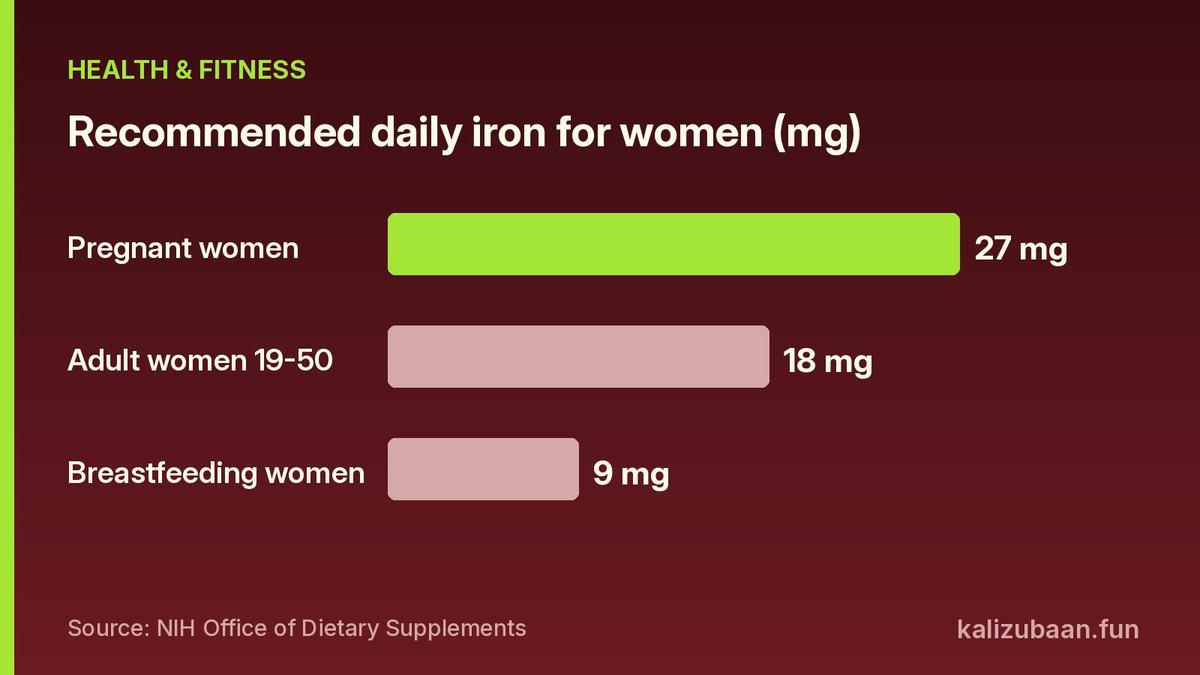
Source: NIH Office of Dietary Supplements
There is a big catch for Indian families. The NIH says vegetarians who don't eat meat, poultry or seafood need almost twice as much iron as listed. That is because the body does not absorb iron from plant foods as well.
Plant sources on the NIH list include lentils, spinach, kidney beans, white beans and peas. In an Indian kitchen, that is dal, palak, rajma and matar.
The NIH also notes that vitamin C foods help absorption of plant iron. Its examples include citrus fruits, tomatoes, sweet peppers and broccoli. A squeeze of lemon on your dal is an easy habit.
Don't start iron tablets on your own, though. The NIH warns that high doses of iron supplements can cause stomach upset, constipation and nausea. Ask your doctor first.
What a balanced plate looks like
The NHS lists what a healthy diet should include while breastfeeding:
- Fruit and vegetables. At least 5 portions of different colours a day, and no more than one 150ml glass of unsweetened juice.
- Starchy foods. Rice, bread, potatoes or other starchy foods, choosing wholegrain or higher-fibre versions where possible.
- Fibre. Pulses, beans, lentils, brown rice and whole wheat. The NHS notes that some women have constipation after having a baby, and fibre can help.
- Protein. Beans, pulses, fish, eggs and lean meat.
- Dairy. Milk, cheese and yoghurt, which provide calcium and protein. Lower-fat, lower-sugar options are suggested where possible.
- Fluids. Keep a drink beside you when you settle down to feed.
If you eat fish, the NHS suggests at least 2 portions a week, one of them oily, with a portion around 140g.
On vitamins, the NHS says breastfeeding women should consider a daily 10mcg vitamin D supplement during autumn and winter. That advice is written for the UK, so check with your own doctor about what fits your situation.
Don't skip meals, and don't rush weight loss
Many new mothers forget to eat. MedlinePlus is blunt about this: if you don't eat, you will have less energy, and it will not help you lose weight.
Its practical tips:
- Eat 5 to 6 small meals a day with healthy snacks, rather than 3 large meals.
- Don't skip breakfast.
- Drink at least 12 cups of fluid a day. Keep a water bottle where you usually feed the baby.
- Choose whole fruit over juice, and limit sugary drinks.
On weight, patience pays. Most women lose half their baby weight by 6 weeks after childbirth, and the rest usually comes off over the next several months. MedlinePlus suggests aiming to return to your pre-pregnancy weight by 6 to 12 months.
Give yourself until your 6-week checkup before trying to slim down. If you are breastfeeding, wait until your baby is at least 2 months old before drastically cutting calories.
Losing weight too fast can reduce milk supply. Losing about a pound and a half (670 grams) a week should not affect milk supply or your health, MedlinePlus says. Crash diets and fad diets are a bad idea.
Watch the chai and coffee
Caffeine can reach your baby through breast milk and may make them restless. The NHS recommends no more than 200mg of caffeine a day while breastfeeding.
For scale, the NHS estimates a mug of coffee at 90mg and a mug of tea at 55mg. A few cups of strong chai a day can add up quickly.
Who should be extra careful
Every recovery is different, especially after a complicated birth or with an existing health condition, so your own doctor's advice comes first. Vegetarians and vegans may also need foods with added vitamin B12 or a supplement, the NHS says.
The WHO recommends at least three postnatal checkups in the first six weeks, in addition to care in the first 24 hours. Its suggested timing is between 48 and 72 hours, between seven and 14 days, and in week six. Those visits are a good time to ask about diet and supplements.
FAQs
How many extra calories does a breastfeeding mother need? About 500 more calories a day than before pregnancy for women who are exclusively breastfeeding, according to MedlinePlus.
Can I diet to lose baby weight quickly? It is better not to. Wait until your 6-week checkup, and if breastfeeding, until your baby is at least 2 months old before cutting calories sharply. Fast weight loss can reduce milk supply.
Do vegetarian mothers need more iron? Yes. The NIH says vegetarians need almost twice the listed iron amount because plant iron is absorbed less well. Pair dal, rajma or palak with vitamin C foods.
How much tea or coffee is safe while breastfeeding? The NHS suggests no more than 200mg of caffeine a day. A mug of coffee is about 90mg and a mug of tea about 55mg.
This article is for information only and is not medical advice. Talk to a doctor before changing your diet or training.
Sources
- Hindustan Times: Ignoring your postpartum diet? Gynaecologist explains how it affects your recovery
- MedlinePlus: Losing weight after pregnancy
- NIH Office of Dietary Supplements: Iron fact sheet for consumers
- NHS: Breastfeeding and diet
- WHO: WHO urges quality care for women and newborns in critical first weeks after childbirth
- Wikipedia: Postpartum period
Tagged Topics
Keep reading
Thanks for reading Kali Zubaan
Explore more articles in Health & Fitness or return to the main publication feed.