30 Minutes a Day: Winter Morning Walk Tips for Heart Patients
A morning walk in winter is still good for heart patients, but cold air narrows blood vessels and raises blood pressure. A cardiologist explains when to go, what to wear and which warning signs mean stop.

Just 30 minutes of walking a day can lower blood pressure and cholesterol, says the American Heart Association. But on a cold, foggy winter morning, that same walk can put extra strain on a weak heart.
That is why a morning walk in winter for heart patients needs a few changes, not a full stop. A Kolkata cardiologist told HT Lifestyle exactly what to change, and when to stop walking at once.
Quick answer
- Keep walking in winter, but avoid the coldest early hours, especially during cold waves.
- Check the weather and the air quality before you go, because winter pollution in many Indian cities is high in the morning.
- Wear light layers, cover your head, ears and hands, and warm up indoors first.
- Stop and get emergency help for chest pressure, unusual breathlessness, dizziness, cold sweat, nausea, or pain spreading to the arm, jaw or back.
This article is for information only and is not medical advice. Talk to a doctor before changing your diet or training.
Why is cold weather hard on the heart?
Cold makes blood vessels narrow, which raises blood pressure and makes the heart pump harder. For people with narrowed coronary arteries, this can bring on chest pain.
Dr Ashok B Malpani, interventional cardiologist at BM Birla Heart Hospital, Kolkata, explained this process, called vasoconstriction, to HT Lifestyle (Hindustan Times). Cold air can also raise the heart's need for oxygen.
The American Heart Association says the same. Cold causes coronary arteries to constrict, which can raise the risk of heart attack, stroke or even cardiac arrest (American Heart Association).
It adds that people with heart disease often get angina, which is chest pain or discomfort, in cold weather. Your heart also works extra hard just to keep your body warm.
Should heart patients stop morning walks in winter?
No. The goal is not to stop exercising, but to know when and how to do it safely, according to Dr Malpani.
Regular walking is one of the best habits for the heart. The American Heart Association recommends adults aim for at least 150 minutes of moderate physical activity or 75 minutes of vigorous activity each week (American Heart Association).
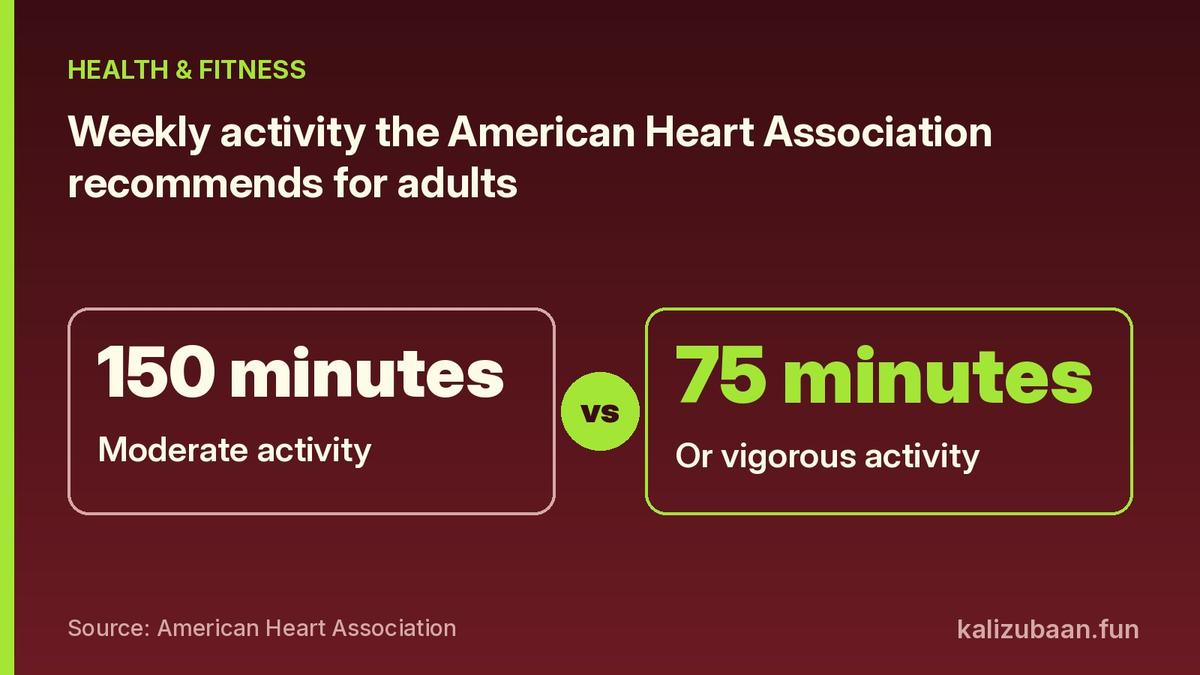
Source: American Heart Association
Walking is its first choice because people are more likely to stick with it than any other exercise. If the weather is bad, the association suggests walking indoors, for example laps at a mall.
The stakes are high. The WHO says an estimated 19.8 million people died from cardiovascular diseases in 2022, about 32% of all global deaths (WHO).
What most guides miss: 30 minutes a day on just five weekdays already adds up to the 150 weekly minutes the American Heart Association asks for. So a heart patient who skips the coldest dawn walk and goes later, or walks indoors, loses nothing on the weekly target.
What is the best time for a winter morning walk?
Later in the morning, when the air is a little warmer, is safer than stepping out at dawn when temperatures are lowest.
"People with existing heart conditions should avoid stepping out very early when temperatures are at their lowest, particularly during cold waves," Dr Malpani told HT Lifestyle (Hindustan Times).
There is an Indian twist. Winter air pollution can stay high in the mornings in many cities, so he advises checking both local air quality and the weather forecast before you go.
If the air quality is poor and it is very cold, an indoor walk at home, in a building corridor or at a mall is a reasonable swap.
What should you wear for a cold morning walk?
Wear several light layers, and cover your head, ears and hands, since they lose heat quickly.
Layers trap air between them and work as insulation, says the American Heart Association (American Heart Association). It also warns that hands and feet lose heat fast.
Dr Malpani adds a warm-up rule. Do five to ten minutes of gentle movement indoors before stepping out, so your body adjusts first.
Then start slowly. Build up your pace gradually rather than beginning with a brisk walk.
How fast should a heart patient walk in winter?
Walk at a comfortable pace where you can still talk easily. That is a practical guide for many people with heart conditions.
People recovering from a heart attack or living with heart failure should follow the exercise plan their own doctor gave them, says Dr Malpani (Hindustan Times).
Do not overdo it. The American Heart Association says your body is already using extra energy to stay warm, so go slow and take breaks.
Drink water even if you do not feel thirsty. Thirst is not a good signal in cold weather. Also skip alcohol, which can make you feel warmer than you are and hide the strain on your body.
Which warning signs mean you should stop?
Stop at once and get emergency help if you feel chest pressure, unusual breathlessness, dizziness, cold sweat, nausea, or discomfort spreading to the arm, jaw or back.
"These should never be dismissed as the effects of cold weather," Dr Malpani said (Hindustan Times). Do not try to walk through the pain, and do not drive yourself to hospital.
Keep taking your prescribed medicines, and do not change them without medical advice. If you have new symptoms or uncontrolled blood pressure, see your doctor before you continue outdoor walks.
It also helps if a family member knows CPR. More than 350,000 cardiac arrests happen outside the hospital each year in the US, and hands-only CPR can double or triple a person's chance of survival (American Heart Association).
FAQs
Is a morning walk good for heart patients in winter?
Yes, walking is still good for the heart in winter. Avoid the coldest early hours, dress in layers, warm up indoors and walk at a pace where you can talk.
What time should heart patients walk in winter?
Later in the morning, when it is warmer, is safer than dawn, especially during cold waves. Check air quality too, as morning pollution can be high in winter.
Can cold weather cause a heart attack?
Cold narrows blood vessels and coronary arteries, which raises blood pressure, and the American Heart Association links this to a higher risk of heart attack and stroke.
Can I walk indoors instead in winter?
Yes. The American Heart Association suggests walking indoors, such as laps at a mall, when the weather makes outdoor walks hard.
Expert review: pending.
This article is for information only and is not medical advice. Talk to a doctor before changing your diet or training.
Related reading
- 10,000 Steps Not Enough? 5 Habits a Metabolic Coach Adds
- 7,000 Steps a Day Is Enough for Most: Why Your Knees Agree
- 15,000 Steps a Day, Still Osteopenia: What Walking Misses
Sources
Tagged Topics
Keep reading


Thanks for reading Kali Zubaan
Explore more articles in Health & Fitness or return to the main publication feed.


