80% Protein Shortfall: Food First, Then Think About Whey
Hindustan Times cites reports that 80% of Indians fall short on protein, often at 10-30 grams a day. ICMR-NIN still warns against leaning on protein powders for muscle.
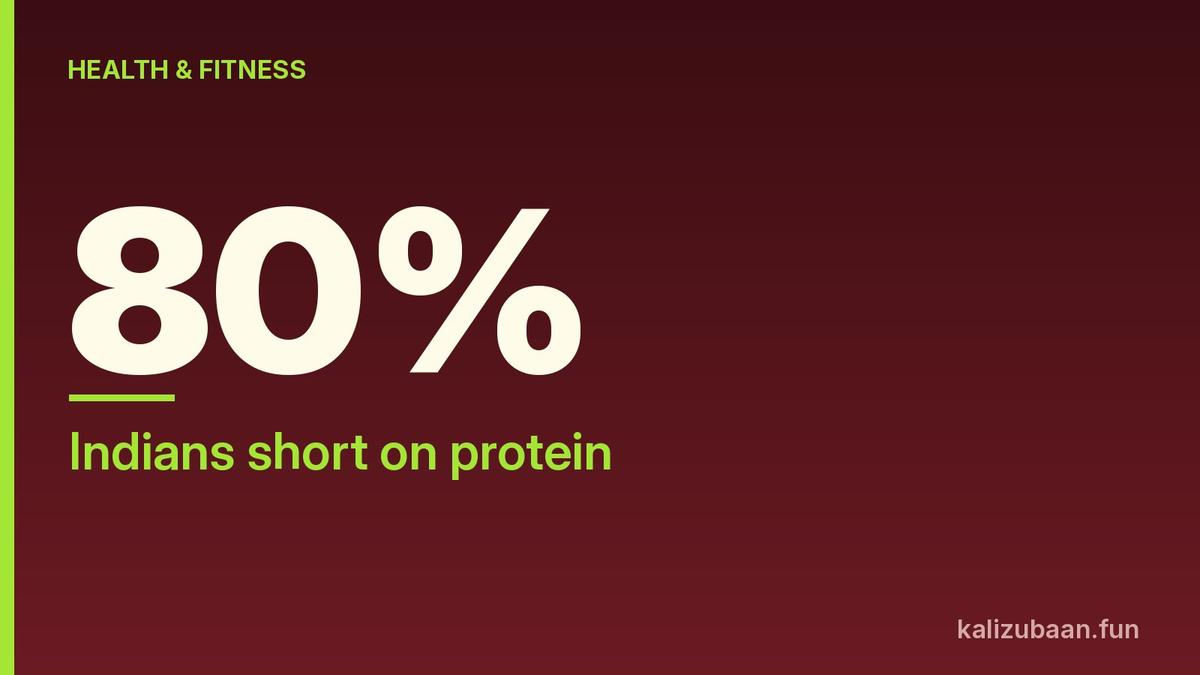
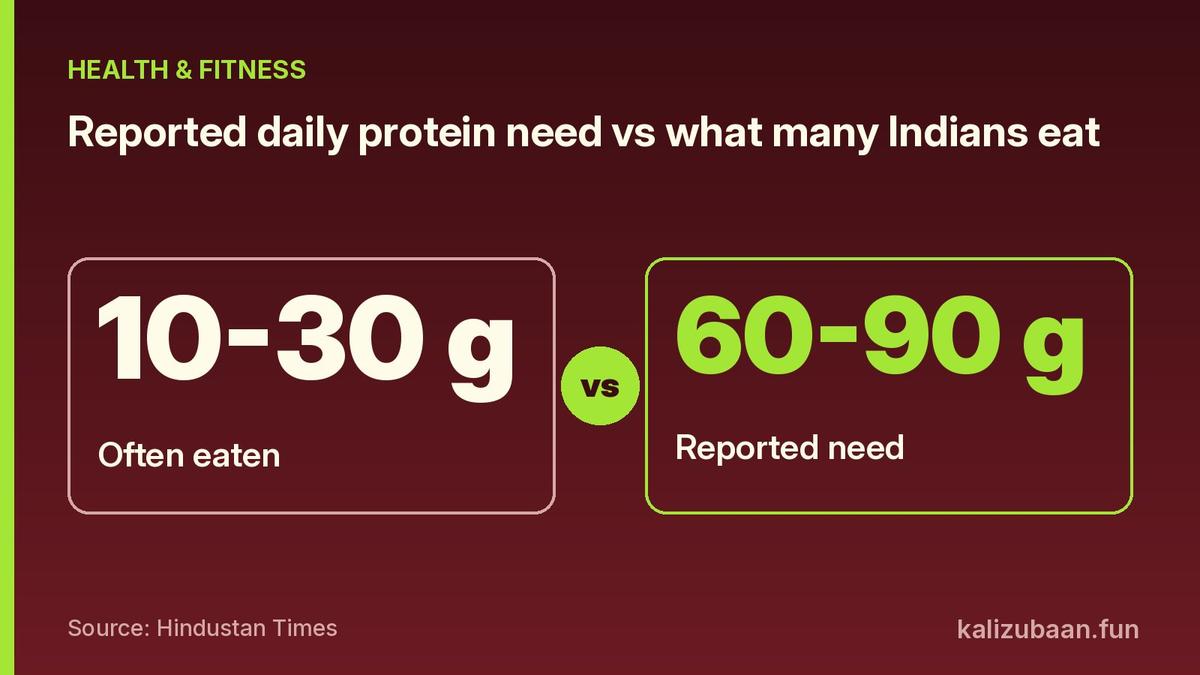
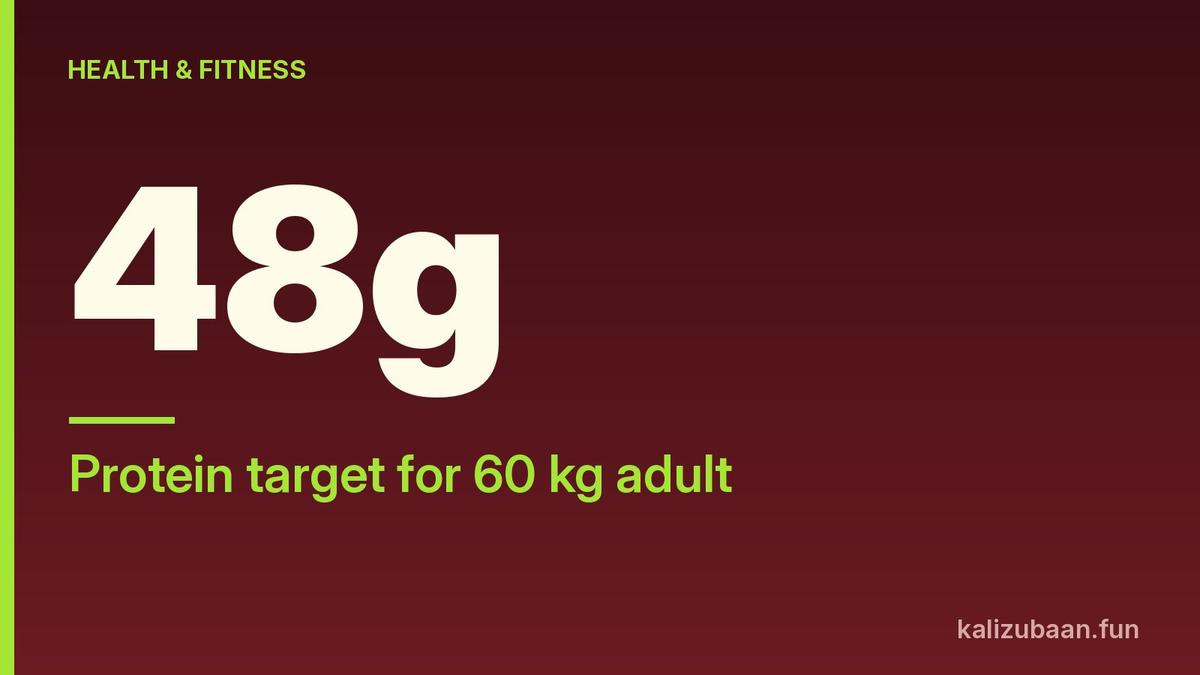
Did you know 80% of Indians don't get enough protein? Hindustan Times cites reports that adults need about 60-90 grams a day, while many Indians eat only around 10-30 grams.
That gap is real in a cereal-heavy diet. It is also why whey ads fill your feed. The catch is the other half of today's brief: ICMR-NIN's dietary guidelines tell people to avoid protein supplements for building body mass, citing risks such as bone mineral loss and kidney damage with prolonged high intake of powders or concentrates.
Quick answer
- HT cites reports that 80% of Indians are protein deficient, with many eating around 10-30 grams a day against a need of about 60-90 grams.
- Whey comes from cheese-making, scores a biological value of 104% in the HT piece, and is the liquid left after milk curds form.
- ICMR-NIN still asks people to avoid protein powders for building body mass, and links long high intakes to bone mineral loss and kidney damage.
- Unhealthy diets are tied to 56.4 per cent of India's disease burden; food first still beats a scoop-first plan.
What the 80% claim is actually saying
The Hindustan Times Lifestyle piece opens with a blunt line: Did you know 80% of Indians don't get enough protein? It then cites reports that adults need about 60-90 grams of protein each day, but many Indians eat only around 10-30 grams.
That is a large gap on paper. It helps explain why protein shakes feel like a shortcut in Indian cities. It does not, by itself, prove that every desk worker needs a tub of whey tomorrow.
The same article leans hard into whey as a fix. Whey protein, which comes from cheese-making, has a very high biological value of 104%, making it one of the best protein sources, HT says. That is useful context for quality. It is still marketing-adjacent content, so it needs the ICMR counterweight below.
Why Indian plates often under-deliver protein
ThePrint and BusinessLine both carried the ICMR-NIN Dietary Guidelines for Indians release. The guidelines note that limited availability and high cost of pulses and meat push a significant share of Indians toward cereals.
Heavy cereal diets can mean poor intake of essential amino acids, essential fatty acids and micronutrients. Low intake of essential nutrients can disrupt metabolism and raise the risk of insulin resistance and related disorders from a young age, the guidelines say.
Estimates in those reports put 56.4 per cent of India's total disease burden on unhealthy diets. Healthy diets and physical activity can cut a substantial share of coronary heart disease and hypertension, and prevent up to 80 per cent of type 2 diabetes, ICMR-NIN adds.
So the protein shortfall story is not only a gym problem. It sits inside a wider food-quality problem.
What whey actually is
Strip away the packaging and whey is a dairy byproduct. After cheese is made, liquid whey separates from the solids, HT explains. Cow's milk itself is about 80% casein and 20% whey.
Wikipedia's whey entry matches the kitchen chemistry. Sweet whey is left after rennet cheeses; acid whey after acidic dairy such as strained yogurt. By mass, sweet and acid whey are mostly water: about 93% water, about 0.8% protein, and about 5.1% carbohydrates, mainly lactose.
Further processing removes fat and lactose and concentrates the protein. Membrane filtration and drying can leave a liquid that is 90% whey protein before it becomes the powder you scoop. Sustained heat above 72 °C can denature whey proteins, which matters for how products are made and how some people react to them.
HT also pushes freshness: buy trusted brands so milk-to-whey processing happens within 24 hours. That is a quality claim from the article, not a medical rule.
Source: Hindustan Times
ICMR's warning on protein powders
Here is where the viral whey story and official guidance collide.
When ICMR-NIN released revised Dietary Guidelines for Indians, ThePrint and BusinessLine reported the same core line: avoid protein supplements for building body mass. Prolonged intake of large amounts of protein powders or high protein concentrate has been associated with potential dangers such as bone mineral loss and kidney damage, NIN stated in the DGIs.
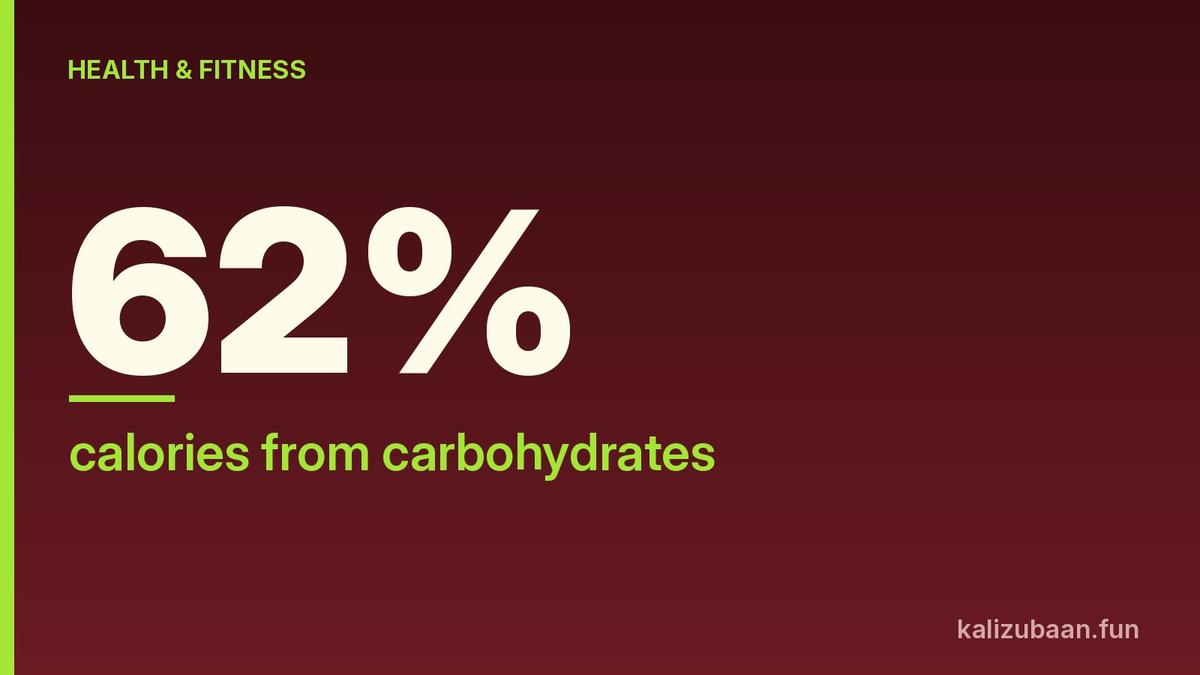
The guidelines also set plate-level targets that rarely show up on a shaker bottle label. Sugar should be less than 5 per cent of total energy. A balanced diet should provide not more than 45 per cent of calories from cereals and millets, and up to 15 per cent from pulses, beans and meat. The rest should come from nuts, vegetables, fruits and milk. Total fat should be less than or equal to 30 per cent of energy.
Seventeen guidelines sit in that document. Protein powder is not the centrepiece. Food pattern is.
Food first on an Indian plate
If HT's 10-30 grams versus 60-90 grams picture is the problem, the practical answer starts with meals you already cook.
Pulses, dals, curd, paneer, eggs, chicken, fish, milk and soy are the boring tools. The ICMR-NIN framing is clear: raise quality and diversity of the plate, especially when cereals dominate because pulses and meat are costly or scarce.
Whey can still be a concentrated option when food access is hard or training volume is high. HT argues you do not need to be a fitness enthusiast to use it, and that whey has a strong amino acid profile for building lean mass. Treat that as one expert-facing magazine view, then weigh it against NIN's powder warning.
A safer personal rule for most readers: fix dal, curd, eggs and paneer first. Talk to a doctor before high-dose powders if you have kidney disease, are pregnant, or already eat plenty of animal protein.
Who should be careful
Kidney disease, a history of kidney stones, pregnancy, and unsupervised mega-dosing of concentrates are the obvious caution flags from the ICMR-NIN language on powders.
People chasing muscle with scoops while still living on refined cereals and sugar may miss the larger 56.4 per cent unhealthy-diet problem. Protein is not a free pass past the rest of the plate.
If you have diabetes or polycystic ovary syndrome, changing protein sources can affect fullness and blood sugar routines, but that is a clinical conversation, not a blog prescription.
FAQs
Are 80% of Indians really protein deficient? Hindustan Times cites that figure and reports that many Indians eat only around 10-30 grams a day against a need of about 60-90 grams. Treat it as a reported shortfall, then check your own diet with a clinician if you are unsure.
Is whey natural? HT describes whey as a natural protein from cow's milk left after cheese-making, with milk itself about 80% casein and 20% whey. Processing into powder is still industrial drying and filtration.
Does ICMR want Indians to avoid whey? ICMR-NIN's dietary guidelines, as reported by ThePrint and BusinessLine, call for avoiding protein supplements for building body mass and warn that prolonged high intakes of powders or concentrates have been linked to bone mineral loss and kidney damage.
Should food come before a scoop? Yes, if you follow the guidelines' plate math: limit cereal calories, raise pulses, beans, meat, milk, nuts, vegetables and fruit, and keep sugar under 5 per cent of energy.
This article is for information only and is not medical advice. Talk to a doctor before changing your diet or training.
Sources
Tagged Topics
Keep reading
Thanks for reading Kali Zubaan
Explore more articles in Health & Fitness or return to the main publication feed.