48g Protein Target: Rebuild Your Navratri Fasting Plate
A healthy adult needs about 0.8 g protein per kg body weight—roughly 48 g for someone of 60 kg. HT experts show how to hit a sample 50 g fasting day with paneer, curd and rajgira.
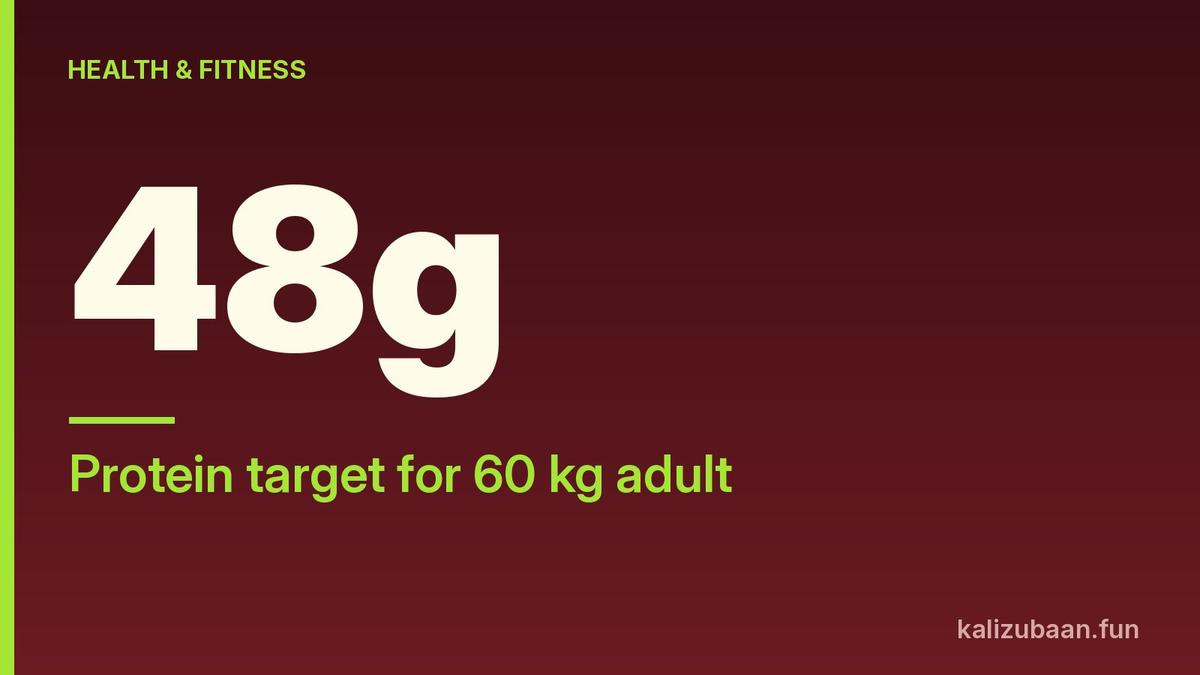
A healthy adult needs about 0.8 grams of protein per kilogram of body weight each day—roughly 48 grams for someone weighing 60 kg. That baseline still applies on a Navratri fast, Hindustan Times nutrition coverage notes, even when sabudana and potatoes take over the plate.
Nine days of carb-heavy vrat food can leave meals short on protein and fibre. Doctors and dietitians quoted across HT Lifestyle pieces say you can keep the fast and still rebuild the plate—if dairy, nuts and better flours are allowed in your household tradition.
Quick answer
- Aim near 0.8 g protein per kg body weight daily; for a 60 kg adult that is about 48 g, Dr Manisha Arora told HT, calling it a solid baseline rather than a rigid prescription.
- Nutritionist Prachi Mandholia's sample fasting day is built to deliver about 50 g of protein with samak, almond milk, 100 g paneer, yoghurt parfait, rajgira khichdi and curd or 75 g paneer.
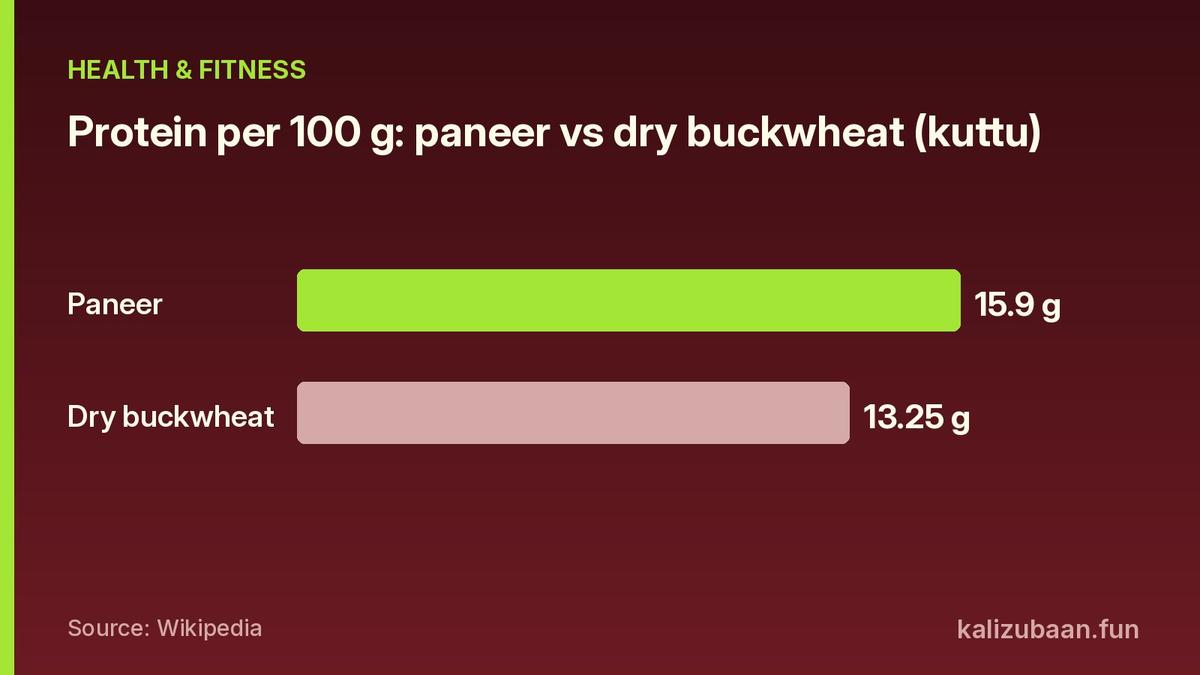
- Wikipedia lists paneer at 15.9 g protein per 100 g and dry buckwheat (kuttu) at 13.25 g protein per 100 g (about 13% protein).
- Dr Abhinav Walia told HT to pair kuttu roti with paneer or curd instead of living on potatoes and sabudana alone, and to treat "detox" claims cautiously.
Why sabudana-and-potato plates fall short
Popular Navratri foods—sabudana khichdi, kuttu puri, potato dishes—are rich in carbohydrates, Dr Abhinav Walia, a functional and lifestyle medicine physician, told Hindustan Times. Relying mainly on those without protein sources leaves meals short.
Sabudana especially is very low in protein and fibre, he said. Mandholia told another HT Foodies piece that sabudana is almost purely carbohydrates and urged swapping toward rajgira, then pairing it with curd or paneer rather than eating a large bowl alone.
Walia's practical swap is simple: paneer or curd with kuttu roti beats potatoes or sabudana khichdi on their own. Protein, he noted, helps you feel full, supports bone and muscle health, and may help moderate blood sugar spikes after meals. Fried, carb-only plates are one of the common nutritional pitfalls he flagged.
The 48-gram math, without gym jargon
HT's fasting protein explainer keeps the target plain. About 0.8 grams per kilogram of body weight each day works out to roughly 48 grams for a 60 kg adult. Arora stresses that age, activity and medical history still matter, so 48 grams is a starting point, not a prescription.
Consultant nutritionist Samiksha Kalra told HT to space protein across the day: milk at breakfast, curd with lunch, nuts for a snack, paneer at dinner. That pattern matters as much as the daily total if you want to stay full through a long fast day.
If energy crashes around day 4, Arora warned not to blame protein alone. Weakness often traces to dehydration, sudden calorie drops, low blood pressure or electrolyte imbalances. Water, coconut water or fresh buttermilk—when your fast allows them—sit next to the protein plan.
Source: Wikipedia
What the nutrition labels actually say
Wikipedia's paneer entry puts protein at 15.9 g per 100 g, with 299 kcal, 15.5 g fat and 23.3 g carbohydrates in the same reference amount, plus 597 mg calcium. That is why a 100 g stir-fried paneer lunch in Mandholia's sample day does heavy lifting toward a 50 g protein target.
Dry buckwheat—the grain behind kuttu flour—supplies 13.25 g protein per 100 g in Wikipedia's table. The same page states raw dry buckwheat is about 10% water, 72% carbohydrates, 13% protein and 3% fat, and notes 343 calories per 100 g. Wikipedia also records that buckwheat is permitted on several Hindu fasting days, including Navaratri, in Indian practice.
Those numbers do not force anyone to abandon tradition. They show why Walia and oncologist-facing HT guidance keep pushing kuttu, rajgira and dairy when the alternative is potato-only plates.
A sample 50 g protein fasting day
Mandholia's HT menu is concrete:
- Breakfast: 1 bowl samak upma plus 150 ml almond milk
- Lunch: 100 g stir-fried homemade paneer with permitted vegetables
- Evening snack: yoghurt parfait with yoghurt, blueberries, walnuts and pumpkin seeds
- Dinner: 1 bowl rajgira khichdi plus 1 bowl curd, or 75 g paneer
That is a template, not a religious rulebook. Households differ on whether dairy, nuts or certain flours are allowed. Follow your family's observance first, then use the protein ideas that fit.
Walia's HT Q&A adds kitchen tactics that need no new gadgets: include apples, oranges, guava and papaya; add cucumber, bottle gourd and pumpkin when permitted; prefer whole fruit over juice; use buttermilk for hydration; and air-fry, boil or roast instead of deep-frying every snack. He said fried foods need not be banned, but portions and frequency matter.
Who should be careful—and what "detox" is not
People with diabetes, especially those on insulin or other blood-sugar medicines, should talk to a physician before fasting, Walia told HT. The same applies for kidney problems that need special diets. Arora's HT note repeats the caution for diabetes, kidney disease or other chronic conditions across a 9-day fast.
Walia also pushed back on detox marketing. The liver and kidneys already cleanse the body; it is not necessary to drink detox drinks or restrict the diet for that reason during Navratri, he said.
After a long gap without food, overeating is another trap he named: starving for hours and then taking a huge meal can cause indigestion and excess calories. Mandholia's 80% rule—eat until you are about 80% full—fits that warning.
FAQs
How much protein should I aim for while fasting? HT cites about 0.8 g per kg body weight daily, or roughly 48 g for a 60 kg adult, as a general healthy-adult baseline.
Is paneer actually high in protein? Wikipedia lists 15.9 g protein per 100 g of paneer. Mandholia's sample lunch uses 100 g paneer; dinner can use 75 g paneer instead of a bowl of curd.
Why prefer kuttu over endless sabudana? Walia says sabudana is very low in protein and fibre. Dry buckwheat carries 13.25 g protein per 100 g on Wikipedia, and HT oncologist guidance also favours slow-digesting options such as kuttu and rajgira over repeated fried potato meals.
Can Navratri fasting "detox" the body? Walia told HT the liver and kidneys already handle that work; detox drinks are not required for cleansing during the festival.
This article is for information only and is not medical advice. Talk to a doctor before changing your diet or training.
Sources
- Hindustan Times: How to make your Navratri fasting meals more protein-rich? Doctor answers 8 common diet questions
- Hindustan Times: Navratri fasting: How to get enough protein and avoid feeling weak
- Hindustan Times: Want to fast right? Oncologist shares 8 hacks to maintain energy during Navratri
- Wikipedia: Paneer
- Wikipedia: Buckwheat
Tagged Topics
Keep reading

Thanks for reading Kali Zubaan
Explore more articles in Health & Fitness or return to the main publication feed.