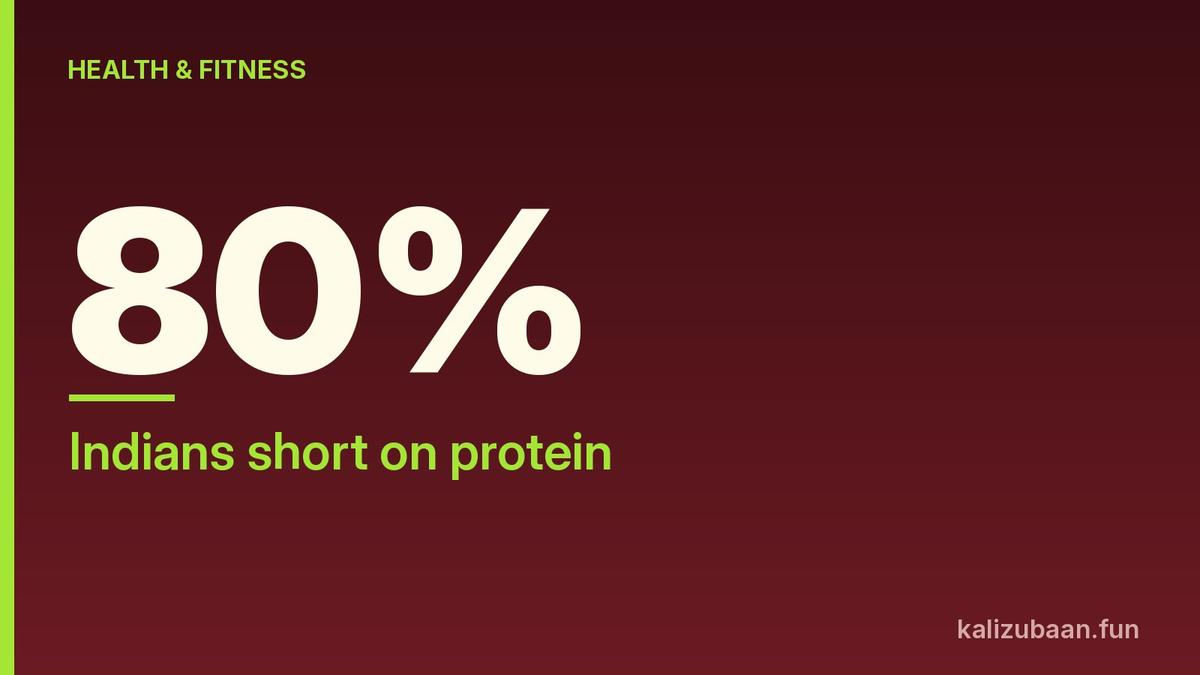
70% Under 41g Protein: Urban India's Plate Gap
A PepsiCo India study with Euromonitor and ICAR-IIMR surveyed 1,250 urban adults. Seventy per cent ate less than 41 grams of protein a day, while 60% blamed cost and many still misread daily needs.
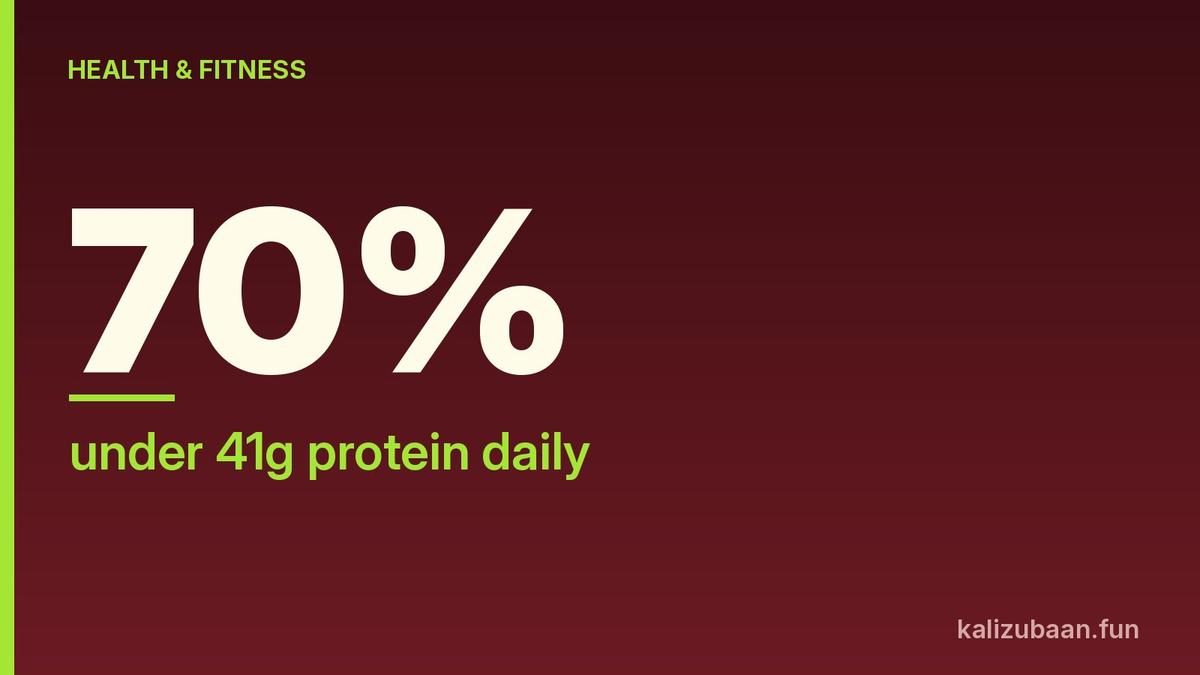
Seventy per cent of urban adults in a five-city survey reported eating less than 41 grams of protein a day. That is not a gym-bro flex test. It is the headline plate gap from ‘The State of Protein & Fibre in Urban India’, commissioned by PepsiCo India with Euromonitor International and ICAR-Indian Institute of Millet Research.
Awareness is not the same as intake. India Today and MediaBrief both report that while 74% claimed to know their daily protein need, 56% could not accurately identify it.
Quick answer
- The study surveyed 1,250 people aged 18–50 in Delhi, Mumbai, Bengaluru, Kolkata and Kochi.
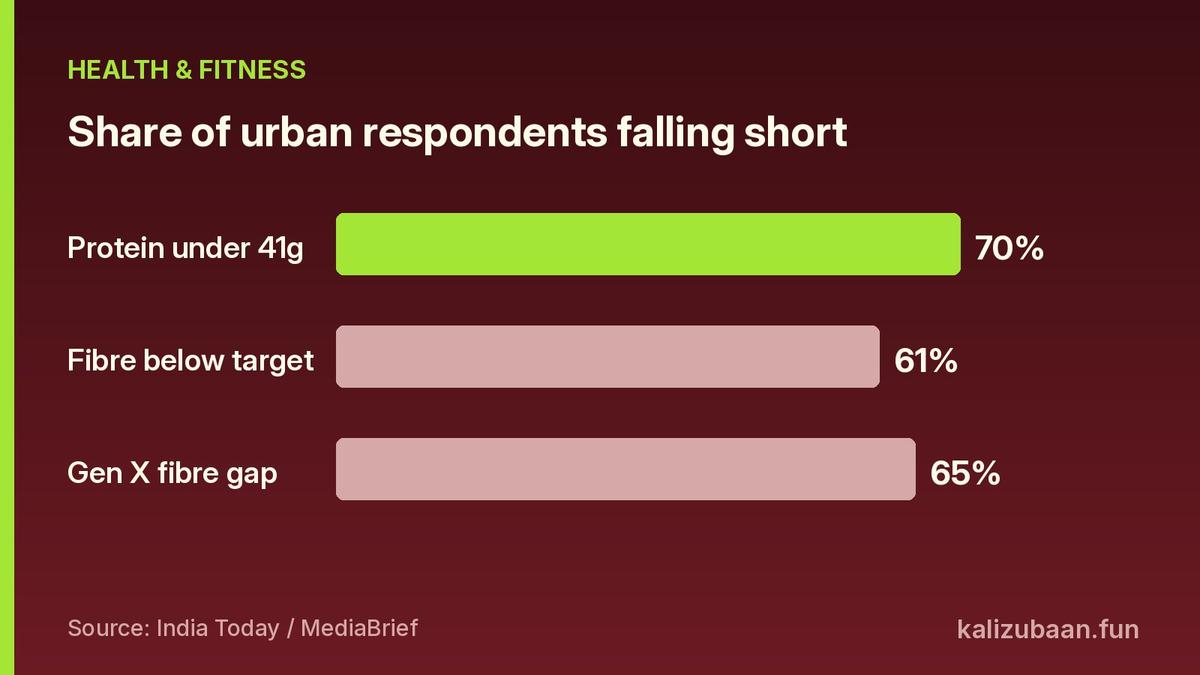
- 70% of respondents consume less than 41g of protein a day; 61% fall short on recommended fibre.
- 74% claim protein awareness, but 56% are misinformed on the actual daily requirement; for fibre, 59% claim knowledge and only 11% get it right.
- 60% cite high cost as a barrier to protein; 57% cite missing convenient, credible protein options. For fibre, 69% cite that access gap.
Who was asked, and what the survey measured
MediaBrief and India Today describe the same commissioned study. PepsiCo India worked with Euromonitor International and the Indian Institute of Millet Research. Researchers surveyed 1,250 respondents aged 18–50 across five metros: Delhi, Mumbai, Bengaluru, Kolkata and Kochi.
Topics covered protein and fibre awareness, reported intake, breakfast and lifestyle habits, barriers to eating better, and how people think about oats and everyday formats. Dilip Radhakrishna of Euromonitor, quoted in both write-ups, frames the finding as a gap between interest in protein and fibre and accurate understanding of how much people need.
That framing matters if you have been collecting reels about “high protein” snacks. The survey says many urban adults already care. Fewer can name a correct daily target, and most still report low intake.
The protein shortfall is city-wide
Seventy per cent of respondents reported consuming less than 41 grams of protein a day. MediaBrief repeats the same line as “less than 41g”, and both outlets say the shortfall showed up across all five cities surveyed.
Fibre is not fine either. 61% consume less than recommended daily fibre levels. Gen X, defined in India Today as born in or before 1980, had the widest fibre gap at 65%, compared with 58% among Gen Z and Millennials.
So the story is not only “young people eat badly.” Older urban adults in this sample were more likely to miss fibre targets, even as Gen Z said they want protein baked into familiar foods.
Source: India Today / MediaBrief
Awareness looks high until you ask for the number
On protein, 74% said they were aware of their daily requirement. 56% were unable to accurately identify it, meaning they were unsure or wrong. India Today and MediaBrief use the same pair of figures.
Fibre knowledge is thinner. 59% claimed to know their daily fibre requirement, yet 89% could not accurately identify the recommended intake. Only 11% got it right.
That is the trap for grocery apps and “protein” badges. Claimed awareness can sit next to a plate that still delivers less than 41 grams of protein and a fibre total below what the person thinks they understand.
Cost and convenience keep winning
Wanting better nutrition is not the same as finding it at lunch.
Around nine in 10 consumers across generations wanted protein to feel easier and more natural to add. 89% wanted protein in familiar, everyday formats. Among Gen Z, India Today puts those wishes at 89% for easier incorporation and 90% for familiar formats.
Barriers land harder. 60% cite high cost as a reason for lower protein consumption. 57% point to a lack of convenient, credible protein-focused food options. For fibre, 69% say convenient, credible fibre-focused options are missing, rising to 74% in Kochi, 72% in Kolkata and 71% in Mumbai.
India Today also places the gap inside a longer dietary shift: carbohydrate-heavy staples and refined, ultra-processed foods crowding out pulses, whole grains, vegetables, fruits, nuts and other fibre sources. A 2025 ICMR–Madras Diabetes Foundation line cited in the same article puts average Indian calories from carbohydrates at 62.3%, while ICMR-NIN dietary guidelines for Indians, 2024, suggest 50–55% of calories from carbohydrates, 10–15% from proteins and 20–30% from fats.
What to change without buying a new identity
Use the survey as a checklist, not as brand marketing.
- Stop treating “I know about protein” as proof you hit a target. 74% claimed awareness; 56% could not name the requirement accurately.
- Count real food first if cost is the blocker for 60% of respondents: dal rotations, curd, paneer, eggs, fish, millets, vegetables and fruit beat an expensive bar that still leaves you under 41 grams.
- Treat fibre as a second dial. 61% already fall short; Gen X at 65% should not assume walking alone fixes lunch.
- Prefer formats you already eat. 89% want familiar everyday formats. That points to fortified staples and home meals more than exotic powders for most desks.
- Remember the study is descriptive urban survey data from 1,250 adults in five cities. It is not a clinical trial that proves one product closes India's protein gap.
Who should be careful
Anyone with kidney disease, pregnancy, diabetes on medication, or a clinician-set protein limit should not chase 41 grams as a personal prescription. People recovering from disordered eating should not turn survey percentages into a tracking spiral.
If you already use medical nutrition formulas or prescribed supplements, treat this report as context for urban habits, not as a reason to change therapy without advice.
FAQs
Is 70% under 41 grams a national average? No. It is the share of respondents in this 1,250-person urban survey across five cities who reported less than 41 grams of protein a day.
Why do people say they know protein needs but still fall short? 74% claimed awareness, yet 56% could not accurately identify the daily requirement. Cost (60%) and missing convenient options (57%) also hold intake back.
Is fibre the bigger knowledge problem? In this study, yes for accuracy. 59% claimed fibre knowledge, but only 11% correctly identified the recommended intake, and 61% reported low fibre intake.
Does wanting familiar formats mean supplements are useless? The survey does not ban powders. It shows 89% want protein in everyday formats, which is a product and kitchen design problem as much as a willpower problem.
This article is for information only and is not medical advice. Talk to a doctor before changing your diet or training.
Sources
Tagged Topics
Keep reading
Thanks for reading Kali Zubaan
Explore more articles in Health & Fitness or return to the main publication feed.


