57.2% of Indian Women Anaemic: Why Eating Enough Isn't Enough
Three meals a day and a normal weight do not guarantee enough iron, B12 or vitamin D. Here is what India's nutrition surveys found, and what a balanced, sensible fix looks like.
You eat three meals a day. Your weight is normal. Your plate has roti, dal and sabzi. Surely you are getting everything your body needs?
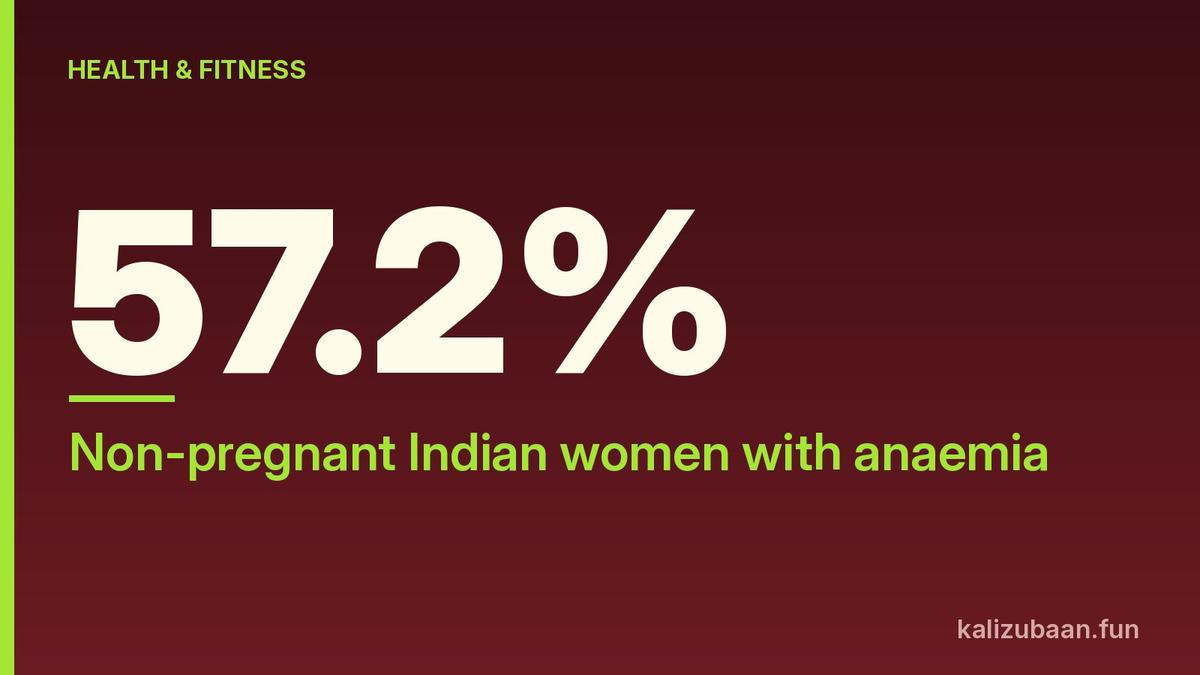
Not necessarily. India's National Family Health Survey-5 (NFHS-5) found anaemia in 57.2% of non-pregnant women aged 15–49. Eating enough food and being well nourished, a doctor now warns, are not the same thing.
Quick answer
- Getting enough calories does not guarantee enough vitamins and minerals, or that your body absorbs them.
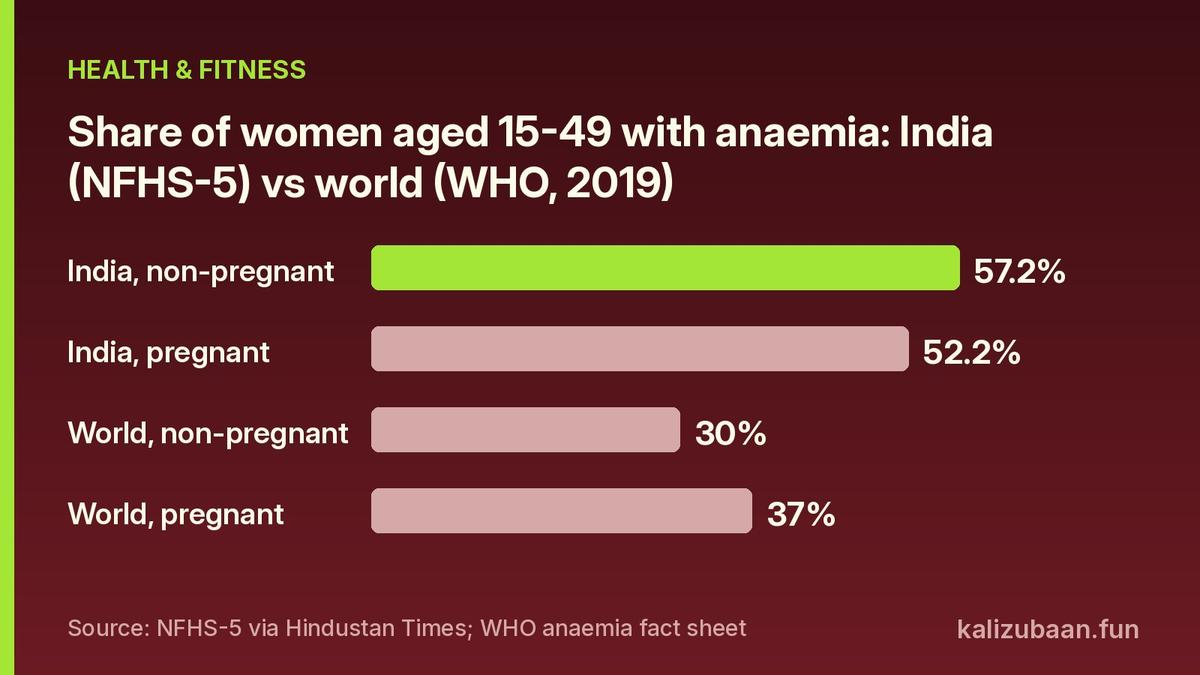
- NFHS-5 found anaemia in 57.2% of non-pregnant women and 52.2% of pregnant women aged 15–49 in India.
- Iron, vitamin B12 and vitamin D gaps are common, including among adolescents, according to India's national nutrition survey.
- A varied diet comes first. Tests and supplements should be decided with a doctor, not guessed.
What the doctor flagged
Dr Sonali Gokhalay, Head of Medical Affairs and Product Research at P&G Health India, spoke to Health Shots about what she calls hidden micronutrient gaps in the Indian diet. The interview was carried by Hindustan Times.
Her starting point is a common assumption. Many people believe that three meals a day, a healthy body weight and a reasonably balanced diet automatically cover their needs.
But adequate food intake does not always translate into adequate vitamin and mineral intake, or absorption. That is the gap she is warning about.
She cited two national surveys. NFHS-5 reported anaemia among 57.2% of non-pregnant women and 52.2% of pregnant women aged 15–49. The Comprehensive National Nutrition Survey (CNNS) found gaps among adolescents, including vitamin D and vitamin B12 deficiency, with iron deficiency common in that age group.
How India compares with the world
These Indian numbers stand out against global estimates from the World Health Organization (WHO).
WHO says that in 2019, 30% of non-pregnant women and 37% of pregnant women aged 15–49 worldwide were affected by anaemia. That is 539 million and 32 million women.
Source: NFHS-5 via Hindustan Times; WHO anaemia fact sheet
WHO also names the South-East Asia region, which includes India, as one of the two most affected. It estimates 244 million women and 83 million children with anaemia there.
The surveys measure slightly different groups and years, so treat the comparison as a rough picture rather than an exact match. The direction is still clear.
Why "eating enough" can still leave gaps
For decades, India's nutrition focus has rightly been on food security, enough calories and preventing undernutrition. Those priorities still matter.
The newer problem is micronutrient inadequacy. It can show up even in people who eat enough calories or seem to have a healthy diet.
Micronutrients are vitamins and minerals your body needs in small amounts. They support growth, metabolism, immunity, blood formation, nerve and muscle health, and tissue repair.
The tricky part is that a shortfall rarely announces itself. Dr Gokhalay says it can slowly cause fatigue, lower work capacity, poor concentration, repeated illness or weaker physical performance. Those are easy to blame on stress, poor sleep or a busy life.
The three gaps worth knowing
Iron. Your body needs iron to make haemoglobin, which carries oxygen. Too little can lead to iron-deficiency anaemia, with tiredness and lower exercise tolerance. WHO calls iron deficiency, mainly from too little dietary iron, the most common nutritional cause of anaemia.
But anaemia has other causes too, including folate and B12 deficiency, infections, inflammation and inherited blood disorders. So it should be checked properly, not assumed to be an iron problem.
Vitamin B12. B12 supports DNA synthesis, red blood cell formation and normal nerve function. It is found mainly in animal foods. That matters in a country with many vegetarians.
Studies cited on Wikipedia's B12 deficiency page report deficiency in 47% of adults in a Pune study, and in some parts of India, 70 to 80 percent. People on strict vegetarian or vegan diets may need reliable sources, fortified foods or supplements under professional guidance.
Vitamin D. It helps the body use calcium and phosphorus, supporting bones and muscles. Despite plenty of sunshine, low vitamin D is common in India.
Dr Gokhalay lists the reasons: limited sun exposure, clothing, indoor lifestyles, skin pigmentation, air pollution, obesity, ageing and diet.
What a sensible fix looks like
Start with variety on your plate. The doctor's suggested pattern includes cereals and millets, pulses and legumes, vegetables and fruits, nuts and seeds, and dairy or suitable alternatives. Where acceptable to you, add eggs, fish or meat.
Know when food alone may fall short. Cost, dietary restrictions, poor appetite, higher needs, absorption problems, chronic illness and some medicines can all affect what you actually get. Pregnancy, adolescence and older age also change your needs.
Use fortification and supplements carefully. In some cases fortified foods and appropriately prescribed supplements can help close a gap. But they should add to a healthy diet, not replace it.
Don't self-diagnose. Persistent fatigue, tingling or numbness, unexplained weakness, frequent illness or bone pain are non-specific. They can have several causes. A doctor can look at your history, diet and symptoms, and order tests when needed.
Who should be extra careful
- Women aged 15–49, especially during and after pregnancy, given the NFHS-5 anaemia figures.
- Teenagers, where CNNS found iron, B12 and vitamin D gaps.
- Strict vegetarians and vegans, for B12.
- Older adults, and anyone with digestive conditions or on long-term medicines that affect absorption.
WHO notes that anaemia in women is a target under the United Nations 2030 sustainable development agenda. It also estimates that every US$ 1 invested in reducing anaemia in women could produce US$ 12 in economic returns.
FAQs
Can I be anaemic even if I eat well? Yes. Anaemia can come from poor absorption, blood loss, infections or inherited conditions, not only diet. A blood test ordered by a doctor is the way to know.
Are vegetarians at higher risk of B12 deficiency? B12 is found mainly in animal foods, so strict vegetarians and vegans need to pay attention to fortified foods or supplements, under professional guidance.
Should I just take a multivitamin to be safe? The doctor quoted here advises against guessing. Supplements should complement a balanced diet and be based on your needs, ideally after a medical check.
Why is vitamin D low in such a sunny country? Indoor lifestyles, clothing, skin pigmentation, air pollution, obesity, age and diet all affect how much vitamin D your body makes and keeps.
This article is for information only and is not medical advice. Talk to a doctor before changing your diet or training.
Sources
Tagged Topics
Keep reading
Thanks for reading Kali Zubaan
Explore more articles in Health & Fitness or return to the main publication feed.