From 250,000 Startups to Rockets in Orbit: Can India Close Its AI Gap?
At the ET Startup Awards 2026, Times Internet chairman Satyan Gajwani said India's startups are moving into AI and chips but still trail the US and China in AI. Here's what the shift means.
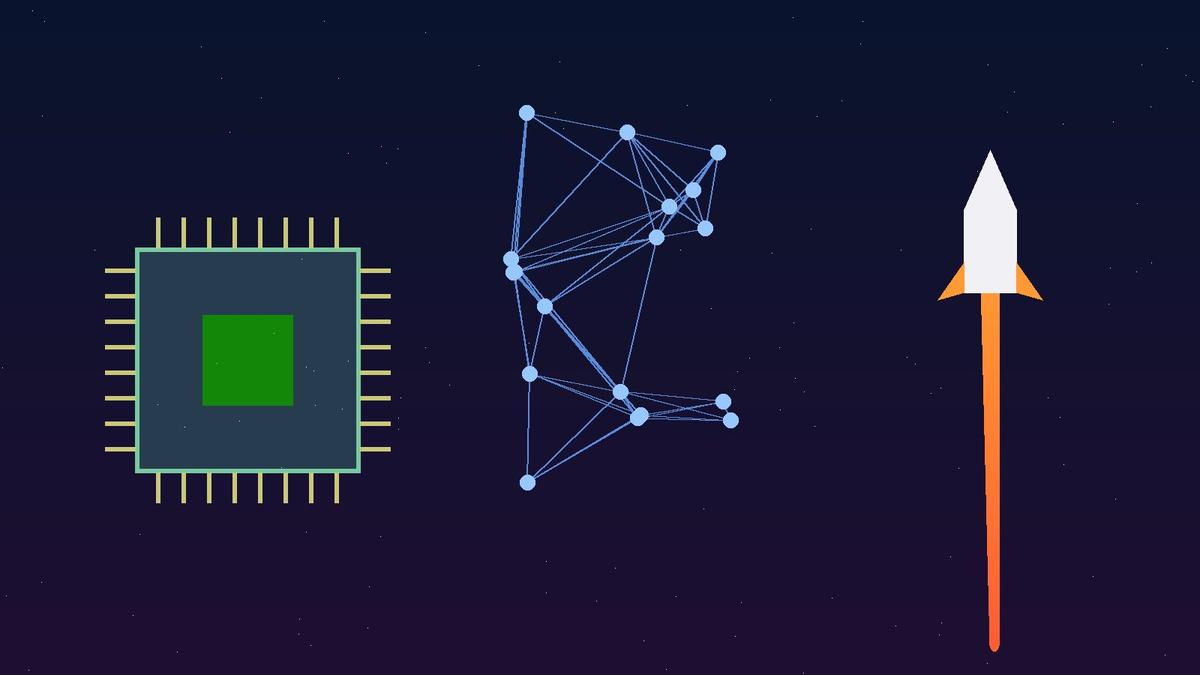
Update (October 2026): At the ET Startup Awards 2026, Times Internet chairman Satyan Gajwani described India's startup ecosystem as entering "a new era of deep technology", and admitted the country is behind in AI.
TL;DR
- What happened: Gajwani said Indian founders are moving from fintech, food delivery and quick commerce into semiconductor chips, AI, robotics, clean energy and new materials, helped by government backing and investors willing to wait longer.
- The verdict: The momentum is real. Recognised startups have grown from a few hundred to more than 250,000 under Startup India. But by Gajwani's own account, India still trails the US and China in AI.
- Who it's for: Students, freshers and developers deciding which skills to build, and founders weighing whether deep tech is investable in India.
Why this matters now
For most of the last decade, "Indian startup" meant an app: payments, food delivery, a SaaS dashboard or a direct-to-consumer brand. Gajwani's speech, reported by The Economic Times, argues that this picture is changing.
His proof point was space. On July 18, Vikram-1, a launch vehicle built by Hyderabad-based Skyroot Aerospace, lifted off from Sriharikota and placed customer satellites in orbit 450 kilometres above the earth. "With that launch, India became only the third nation after the US and China with a private company able to reach space," Gajwani said. (Fun detail: ETSA 2026 jury member Mukesh Bansal was Skyroot's first investor.)
What exactly is changing
Gajwani pointed to three forces coming together:
- Founders building proprietary technology. Instead of copying proven consumer models, startups are working on chips, AI, robotics, clean energy technologies and new materials.
- Patient capital. Investors are shaping funds that are "willing to wait longer for these companies to mature". This matters because deep tech takes years before revenue.
- State backing. Under Startup India, recognised startups have grown from a few hundred to more than 250,000, creating nearly 2.5 million jobs. A Rs 10,000 crore Fund of Funds has also been launched to support new-age sectors. He credited Commerce and Industry Minister Piyush Goyal for championing the ecosystem.
He also highlighted another trend: successful founders "paying it forward as investors", recycling money and experience into the next generation.
The honest part: India is behind in AI
The most important line in the speech was a warning. Gajwani said India remains behind the US and China in artificial intelligence. "Closing that gap will take deep research, serious compute, entrepreneurial vision and patient capital."
That list is worth breaking down, because each item points to a different bottleneck:
- Deep research: frontier AI comes out of research labs, not just product teams. India needs more people doing original work, not only fine-tuning other people's models.
- Serious compute: training large models needs huge data centre capacity and chips, which India is still building.
- Entrepreneurial vision: founders willing to aim for products the world uses, not just services sold to others.
- Patient capital: the same long-horizon money that made a private rocket possible.
His optimism was explicit too: "If a startup can put a rocket into orbit from Sriharikota, I have no doubt this ecosystem can build AI that the world will want to use."
What it means for Indian students and freshers
The source doesn't break down jobs by sector, so we won't guess how many of those roles are in deep tech. But the direction is clear, and it has practical implications:
- Skills are shifting toward depth. If startups are building chips, robotics and AI rather than consumer apps alone, demand rises for people with strong fundamentals: maths, systems, hardware and ML research. Not just framework knowledge.
- Timelines are longer. Deep tech companies take longer to mature. Joining one early can mean slower growth at first and more learning, so choose with your eyes open.
- AI is the stated gap. Gajwani explicitly named research and compute. Anyone building genuine expertise there is working on the problem India's own leaders say is still unsolved.
Old wave vs. new wave: comparison
| Earlier wave | Emerging wave (per Gajwani) | |
|---|---|---|
| Sectors | Fintech, food delivery, SaaS, commerce, quick commerce, D2C | Semiconductor chips, AI, robotics, clean energy, new materials |
| Capital | Fast-growth funding | Patient funds willing to wait longer |
| Moat | Distribution and execution | Proprietary technology |
| Flagship moment | Consumer app scale | Private rocket reaching orbit |
Red flags and reality checks
- Counting startups isn't the same as building world-class AI. More than 250,000 recognised startups is a breadth number. Gajwani himself says the AI gap remains.
- "Deep tech" as a buzzword. Look for proprietary technology and research talent, not just a pitch deck that mentions AI.
- Compute is the bottleneck. Without serious compute, ambition stalls, as Gajwani noted.
- Patience cuts both ways. Long-horizon capital is essential, but employees and early investors need to accept longer timelines too.
FAQs
What did Satyan Gajwani say at the ET Startup Awards 2026? That India's startup ecosystem is maturing into deep tech such as chips, AI, robotics and clean energy, helped by government support and patient capital, but that India still trails the US and China in AI.
How many recognised startups does India have? According to his speech, more than 250,000 under Startup India, creating nearly 2.5 million jobs.
What was the Skyroot milestone? Skyroot Aerospace's Vikram-1 lifted off from Sriharikota on July 18 and placed customer satellites in orbit 450 kilometres above the earth.
What will it take to close India's AI gap? In Gajwani's words: "deep research, serious compute, entrepreneurial vision and patient capital."
India has put a private rocket into orbit. Can it build an AI model the world chooses to use? Tell us what you think India's biggest blocker is: talent, compute or capital?
Sources
Tagged Topics
Keep reading


Thanks for reading Kali Zubaan
Explore more articles in Tech & AI or return to the main publication feed.


