23% Fewer Falls: Mobility Exercises Adults Need by 45
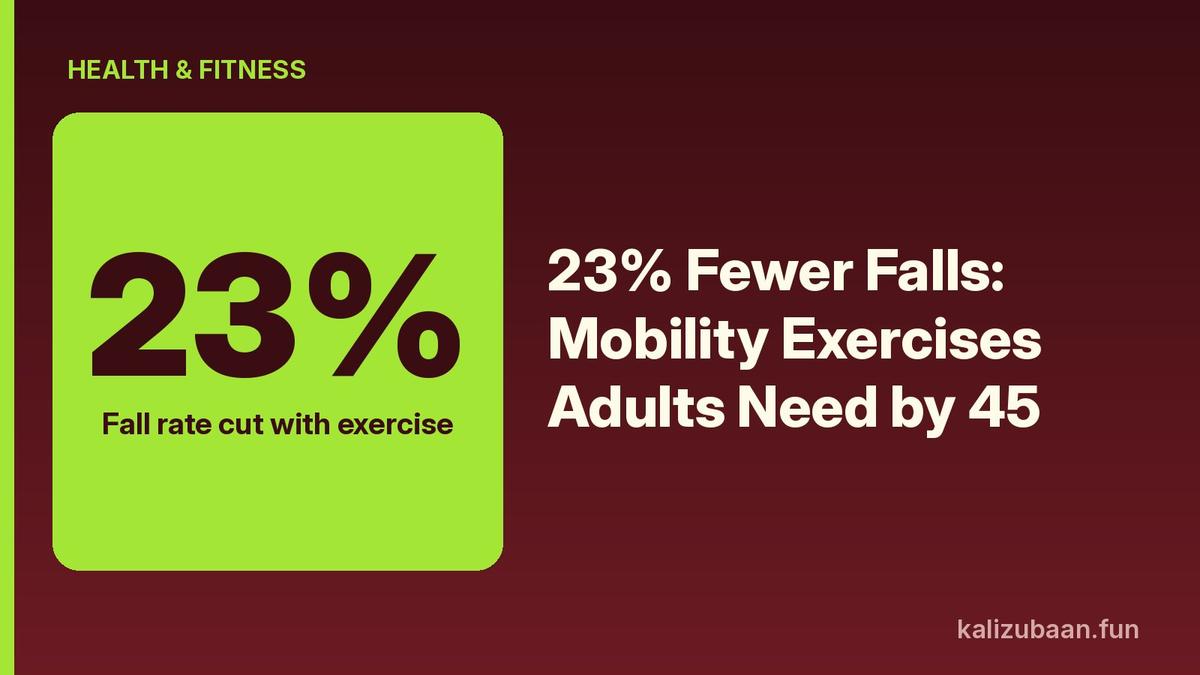
Mobility exercises for adults got a celebrity spotlight after Soha Ali Khan tried a no-hands floor-to-stand challenge at 45. WHO-linked evidence says balance-focused exercise can cut fall rates by about 23%.
Soha Ali Khan posted a gym challenge that looks almost silly until you try it. Get down on the floor, then stand back up, without using your hands.
"If you find this difficult at 45, imagine how challenging it could be at 75," she wrote, after watching some gym-goers nail the move and many struggle. The clip is a reminder that mobility exercises for adults are not optional extras. They protect the everyday movements that keep you independent.
Quick answer
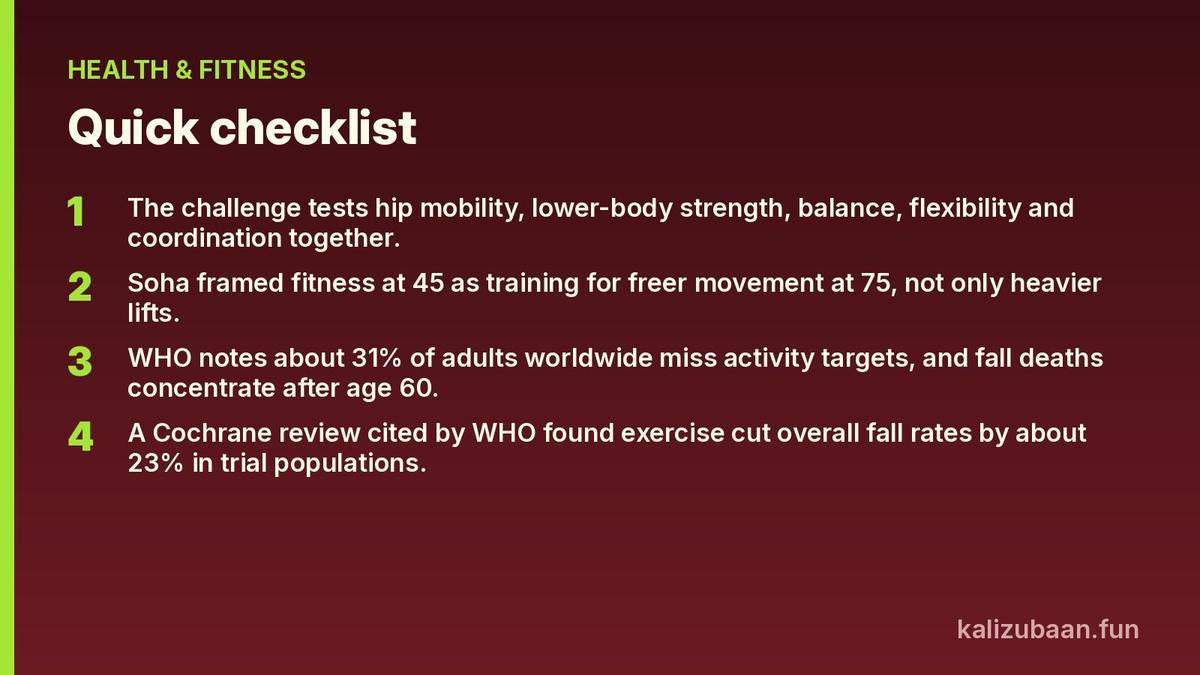
- The challenge tests hip mobility, lower-body strength, balance, flexibility and coordination together.
- Soha framed fitness at 45 as training for freer movement at 75, not only heavier lifts.
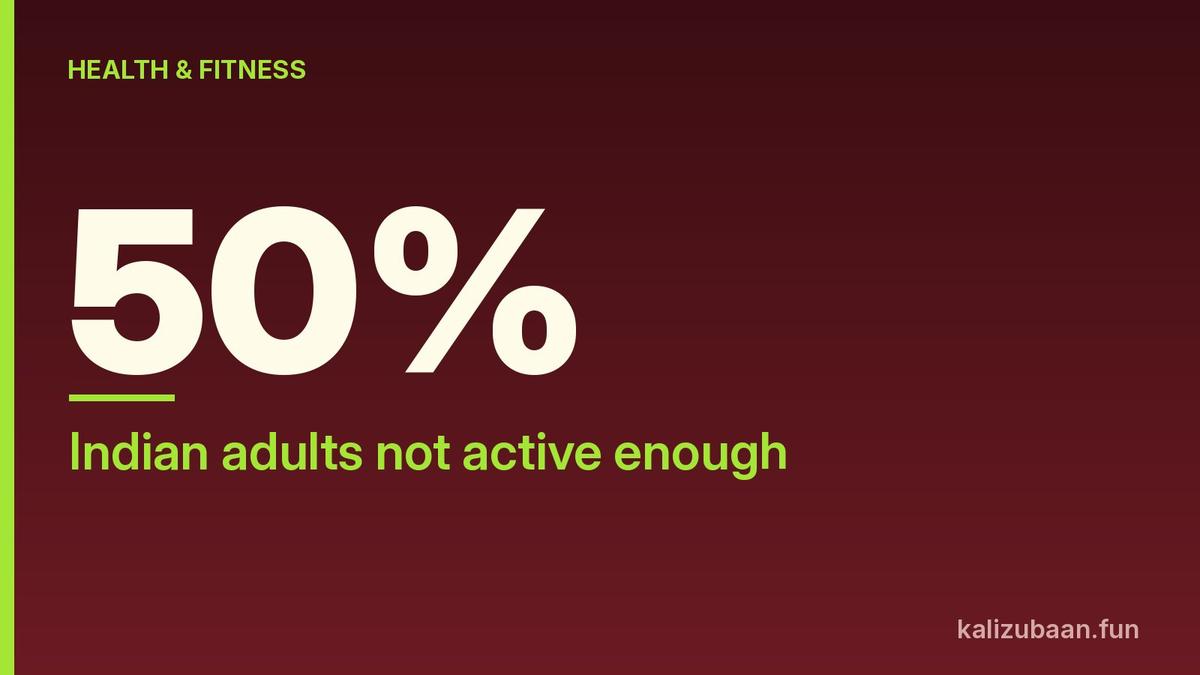
- WHO notes about 31% of adults worldwide miss activity targets, and fall deaths concentrate after age 60.
- A Cochrane review cited by WHO found exercise cut overall fall rates by about 23% in trial populations.
This article is for information only and is not medical advice. Talk to a doctor before changing your diet or training.
What is Soha Ali Khan's mobility challenge?
It is a simple floor-to-stand test done without hand support.
Hindustan Times reports that on November 4 she shared an Instagram gym challenge where people had to get down on the floor and stand back up without using their hands (Hindustan Times). Some completed it; many found even this basic movement hard.
Soha wrote that the move needs hip mobility, lower-body strength, balance, flexibility and coordination. Those same abilities show up when you sit on the floor, bend, climb stairs or stay steady while walking.
Why do mobility exercises for adults matter by 45?
Training mobility at 45 is about keeping independent movement later, not chasing a look.
Soha said fitness should preserve the ability to move freely and independently with age, and that strength is also about how well you can move (Hindustan Times). Her line was clear: train at 45 so life feels easier at 75.
That message fits what clinicians already push. In a 2024 HT Lifestyle interview cited in the same piece, Dr Surbhi Bhagat stressed regular strength training, mobility work and stretching for joint health, plus gradual intensity, recovery time and muscle support around major joints.
How inactive are adults globally right now?
Nearly one in three adults still falls short of WHO activity targets.
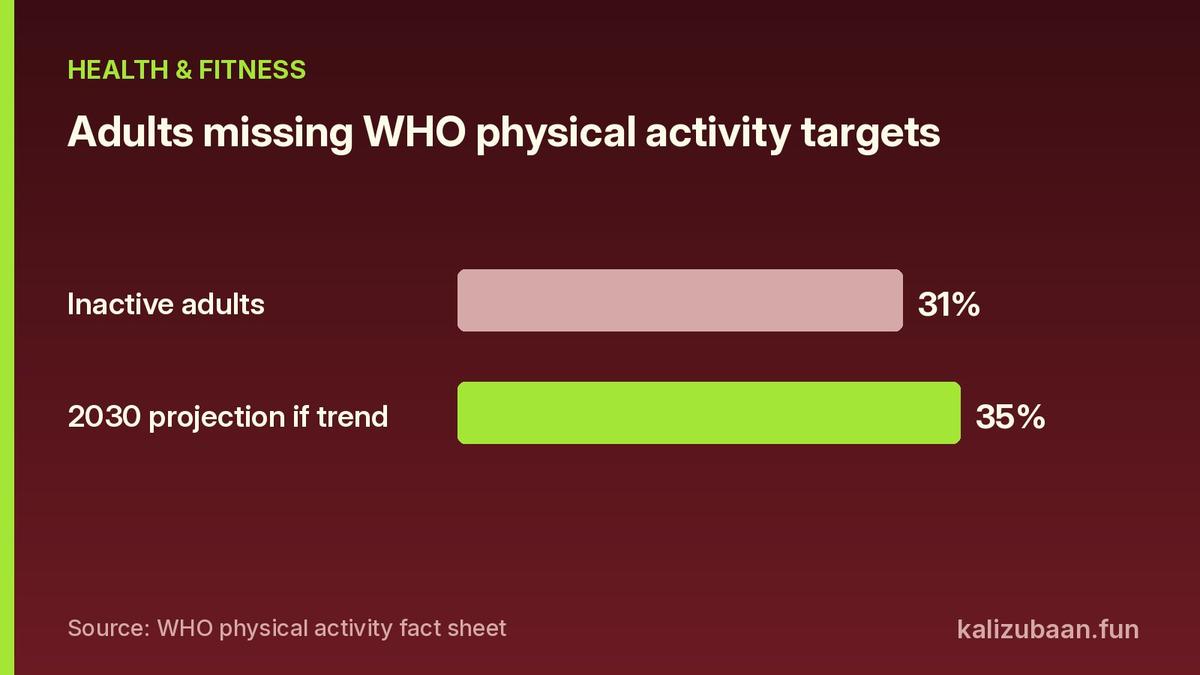
WHO reports that 31% of adults, about 1.8 billion people, do not meet recommended activity levels, and that people who are insufficiently active have a 20% to 30% higher risk of death than people who are active enough (WHO). The same fact sheet says adults should reach at least 150 minutes of moderate-intensity activity a week.
Source: WHO physical activity fact sheet
What most guides miss: the Soha challenge is a screen for functional strength, but the population problem is bigger than one reel. WHO already projects inactivity could rise to 35% of adults by 2030 if today's trend continues, so waiting until retirement to "work on balance" is late.
Do balance and strength drills really cut falls?
Yes, in trial data. Exercise that challenges balance is one of the measures WHO lists for older adults.
WHO's falls fact sheet says about 71% of estimated fall deaths in 2023 were among adults aged 60 and older, and it cites a Cochrane review finding exercise reduced the overall rate of falls by about 23% in trial populations (WHO). WHO also points to tailored exercises that challenge balance and improve functional strength, with progression over time.
That is the grown-up version of Soha's floor-to-stand clip: practise the movements life still asks of you, before they become emergency skills.
How should beginners start without hurting themselves?
Start with controlled strength, mobility and stretching, then add harder floor work only if your joints and doctor allow it.
The HT piece, via Dr Bhagat, stresses gradual increases in workout intensity, enough recovery, and strengthening the muscles that support major joints (Hindustan Times). If getting off the floor without hands already hurts, do not force the viral version. Build squat strength, hip mobility and balance drills first, ideally with a trainer or physiotherapist if you have pain, vertigo or joint disease.
Pair that with WHO's wider activity floor: at least 150 minutes of moderate-intensity activity a week. WHO also notes that muscle strengthening benefits everyone (WHO).
FAQs
What are mobility exercises for adults?
They are moves that keep joints and muscles ready for daily tasks: getting up from the floor, bending, climbing stairs and staying steady. Soha's no-hands stand is one informal test of several of those skills at once.
Is the floor-to-stand test a medical screening tool?
No. It is a gym challenge Soha shared. Difficulty can flag weak strength or balance, but diagnosis belongs with a doctor or physiotherapist.
Why link mobility training to falls?
WHO reports most fall deaths are in people aged 60 and older, and cites evidence that exercise can cut fall rates by about 23% in trial groups. Building balance earlier is the practical takeaway.
How much activity should adults get each week?
WHO says at least 150 minutes of moderate-intensity physical activity per week for adults, on top of reducing long stretches of sitting.
Expert review: pending.
This article is for information only and is not medical advice. Talk to a doctor before changing your diet or training.
Related reading
- 250 Calories a Samosa: Why Diet and Gym Must Work Together
- 10,000 Steps Not Enough? 5 Habits a Metabolic Coach Adds
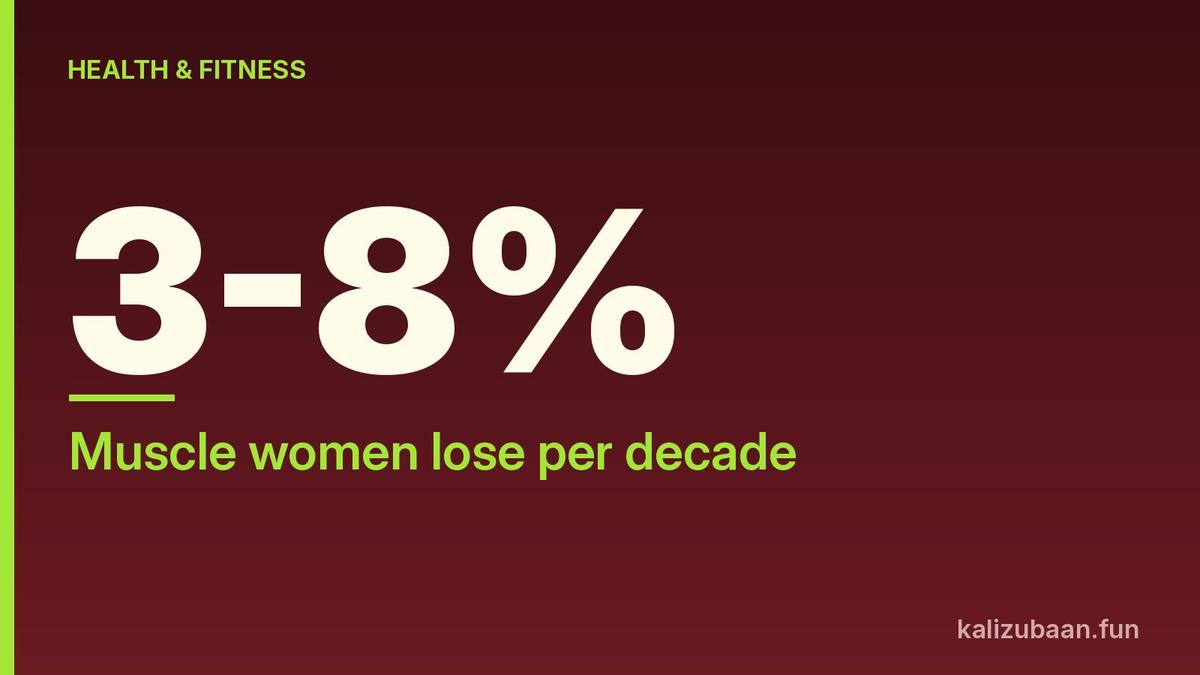
- 3-8% Muscle Lost a Decade: Nita Ambani Workout and Diet at 63
Sources
Tagged Topics
Keep reading
Thanks for reading Kali Zubaan
Explore more articles in Health & Fitness or return to the main publication feed.