100% RDA Claim: FSSAI Flags Celevida GLP+ Ads
FSSAI has issued notices over Celevida GLP+ marketing, including a Contains 100% RDA BCAA claim it called ambiguous and misleading, and has told food businesses to stop using 100% on labels and ads.
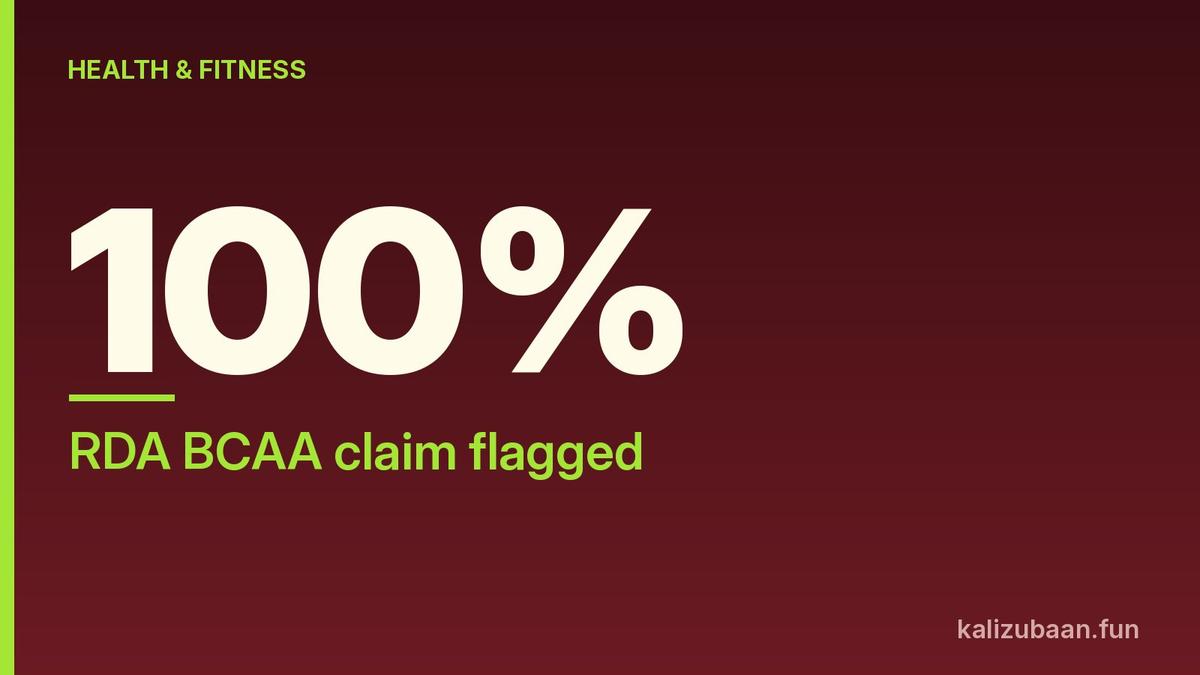
The claim “Contains 100% RDA BCAA” on a high-protein powder tied to GLP-1 talk was not a harmless marketing flourish. BusinessLine reports that FSSAI found that line ambiguous and misleading, and has directed food business operators to discontinue the term “100%” on food labels, packaging and promotional content.
The same notices hit Dr. Reddy’s, Nestle Health Science, Tirupati Wellness, Flipkart, Amazon and Netmeds over Celevida GLP+ ads on e-commerce platforms. If you buy protein powder while on a weight-loss or diabetes drug, this is the week’s clearest regulator signal on what those labels may not promise.
Quick answer
- FSSAI issued notices over non-compliant advertising and claims for Celevida GLP+ on e-commerce platforms, BusinessLine, Mint and Moneycontrol report.
- The regulator flagged the claim “Contains 100% RDA BCAA” as ambiguous and misleading, and told FBOs to stop using “100%” on labels and promo content.
- Ads linking the powder to lean-muscle preservation during GLP-1/GIP therapies were found to imply suitability for a specific physiological condition.
- Amazon told reporters the product is no longer available on its marketplace after regulatory directions.
What FSSAI says it found on the pack and the listing
BusinessLine says the Food Safety and Standards Authority of India announced notices to Dr. Reddy’s and Nestle Health Science Ltd, plus Flipkart India, Amazon India, Netmeds Healthcare and Tirupati Wellness Pvt Ltd. The issue was non-compliant advertising and claims for Celevida GLP+ on e-commerce platforms.
According to the regulator’s social media summary carried by BusinessLine, the product was advertised as “High protein support for lean muscle preservation during GLP1/GLP therapies.” FSSAI said such claims implied suitability for a specific physiological condition. The brand name Celevida GLP+, paired with GLP-1/GIP therapy language, was found to create a misleading association between the supplement and those therapies.
Mint and Moneycontrol carry the same core wording: high protein support for lean muscle preservation during GLP-1/GIP therapies, plus claims such as “Helps Maintain Lean Muscle,” “support muscle strength” and “preserve lean mass.” Those lines, FSSAI said, could imply the product might help mitigate loss of lean body mass during weight loss and GLP-1/GIP therapy.
That is the consumer-facing risk. A shopper scrolling a marketplace listing can read therapy language and muscle promises as medical positioning, even when a small disclaimer says the name is only a brand.
Why the 100% RDA BCAA line mattered
Among the specific claims BusinessLine highlights, “Contains 100% RDA BCAA” is the one with a hard number on the label.
FSSAI found that claim ambiguous and misleading. It also directed food business operators to discontinue the use of the term “100%” on food labels, packaging and promotional content. In other words, the fight is not only about one powder. It is about how absolute percentage language is used to sell protein and amino-acid stories.
The same BusinessLine report says “Imported from Europe for purity” was found misleading, because European origin by itself does not establish enhanced or superior purity of the protein. Claims such as “complete daily nutrition” were seen as potentially portraying the product as a complete nutrition product or meal replacement.
Mint notes that Dr Reddy’s and Nestle Health Science Ltd launched Celevida GLP as a high protein powder in May, positioned around nutrition and muscle mass maintenance for people taking weight-loss and diabetes GLP-1 drugs in India. FSSAI’s notices now put that positioning under show-cause pressure.
What “show cause” means for shoppers
BusinessLine quotes FSSAI saying the concerned FBOs have been directed to show cause as to why action should not be initiated under the FSS Act, 2006. That is a regulatory process, not a finished court verdict in the reporting you have here.
Moneycontrol adds that in the last six months FSSAI has stepped up enforcement actions against food business operators and e-commerce companies. Mint and Moneycontrol both report Amazon’s response: Amazon.in operates as a marketplace for third-party sellers, requires compliance with Indian laws and Amazon policies, removes noncompliant listings on regulatory directions, and confirms the said product is no longer available on its marketplace.
For a buyer, the practical reading is simpler than the legal file. Therapy-adjacent protein claims and absolute “100%” language are under active scrutiny. Marketplace availability can change quickly when the regulator posts.
Source: BusinessLine / FSSAI
The same week’s wider food-safety crackdown
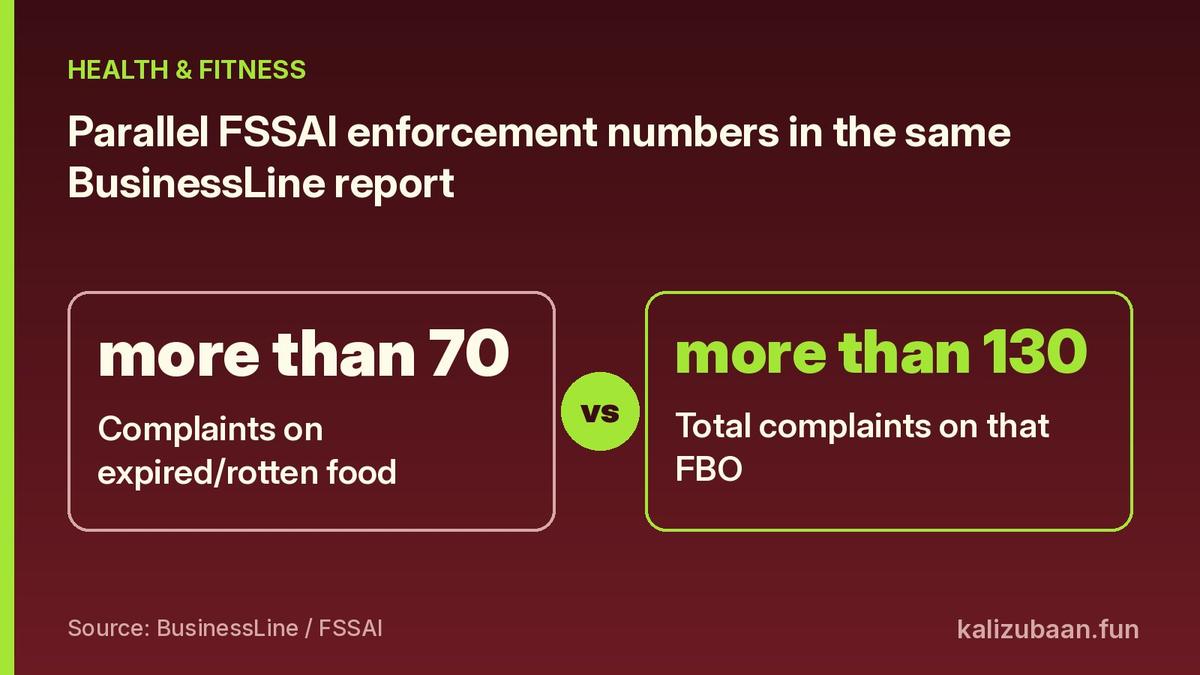
The Celevida notices did not arrive alone. BusinessLine reports a separate enforcement action in which FSSAI suspended the licence of Shreyas Retail for repeated sale of expired or rotten food products. The regulator said the food business operator was repeatedly involved in such sales, with more than 70 consumer complaints specifically relating to those instances, and more than 130 consumer complaints or grievances received against that FBO. In some cases, consumers reported vomiting after eating expired or rotten food.
Mint names the Flipkart seller as Shreyash Retail and says FSSAI also sanctioned prosecution against Nex International over pesticide-contaminated loose raisins. BusinessLine likewise says FSSAI sanctioned prosecution against Nex International over unsafe loose raisins.
Those cases are not about protein powder. They matter because they show the same regulator post covering supplement claims and basic food safety in one enforcement wave. Protein shoppers are not the only audience FSSAI is addressing.
How to read protein labels after this notice
You do not need to become a food lawyer to shop more carefully.
- Treat GLP-1 or GIP therapy language on a grocery supplement as a red flag until a clinician says otherwise. FSSAI’s objection was that such framing implied a specific physiological use.
- Be sceptical of absolute “100%” claims on amino acids or completeness. The regulator has now told FBOs to drop that term on labels and promo content in this context.
- “Imported from Europe for purity” is marketing, not proof of superior protein purity, according to FSSAI’s reading reported by BusinessLine.
- “Complete daily nutrition” style lines can oversell a powder as a meal replacement. Food first still matters on an Indian plate.
- If a listing vanishes after a regulator post, that is often compliance in motion, as Amazon’s statement describes.
None of this says protein powder is banned. It says certain claims around Celevida GLP+ were found non-compliant in the regulator’s public summary.
Who should be careful
Anyone using prescription GLP-1 or related medicines for diabetes or weight management should not add or drop a protein powder based on marketplace ads. Muscle loss on calorie deficit is a clinical nutrition topic. A labelled “GLP+” can of powder is not a therapy plan.
People with kidney disease, those on renal diets, and anyone told to restrict protein need personal medical advice before high-protein supplements. Pregnant people and those with eating disorders should also treat absolute label claims with extra caution.
If a product you already bought matches the notices, keep the invoice and wait for company or marketplace updates rather than improvising a home detox plan.
FAQs
What did FSSAI object to on Celevida GLP+? BusinessLine, Mint and Moneycontrol report notices over ads linking the powder to lean-muscle preservation during GLP-1/GIP therapies, muscle-strength and lean-mass claims, “complete daily nutrition” style language, “Imported from Europe for purity,” and the “Contains 100% RDA BCAA” claim.
Did FSSAI ban the product nationwide? The reporting describes show-cause notices under the FSS Act, 2006, and Amazon saying the product is no longer available on its marketplace. That is not the same as a finished court judgment in these articles.
Why does “100%” on a label matter? FSSAI found “Contains 100% RDA BCAA” ambiguous and misleading, and directed FBOs to discontinue “100%” on food labels, packaging and promotional content, BusinessLine reports.
Is this only about one brand? The notices name Dr. Reddy’s, Nestle Health Science, Tirupati Wellness and e-commerce platforms over Celevida GLP+. The same FSSAI update also covers separate rotten-food and unsafe-raisin cases, so enforcement is broader than one SKU.
This article is for information only and is not medical advice. Talk to a doctor before changing your diet or training.
Sources
- BusinessLine: FSSAI issues notice to Dr. Reddy’s, Nestle Health Science, e-comm players over misleading claims
- Mint: FSSAI send notices to Dr Reddy's, Nestle Health Science, Amazon, Flipkart over misleading protein supplement
- Moneycontrol: FSSAI issues notices to Dr Reddy's, Nestle Health Science, Amazon, Flipkart over Celevida GLP+ Claims
Tagged Topics
Keep reading
Thanks for reading Kali Zubaan
Explore more articles in Health & Fitness or return to the main publication feed.


