Sleeping Under 7 Hours? 5 Healthy Habits Hurting Your Heart
Fruit juice, low-fat snacks, skipped meals, overtraining and short sleep can all look healthy. A cardiologist explains why these 5 habits may quietly strain your heart, and what to do instead.
You swapped cola for a glass of fruit juice. You skip dinner to cut calories, train hard six days a week and buy the low-fat biscuits. On paper, you are doing everything right.
But a cardiologist says some of these "healthy" choices can quietly work against your heart. And if you sleep less than 7 hours a night, your diet and gym routine may not be protecting you as much as you think.
Quick answer
- Fruit juice is not the same as fruit. Without the fibre, it can push up blood sugar fast.
- "Low-fat" and "sugar-free" labels can hide extra sugar, salt or refined starch. Read the full ingredients list.
- Exercise is great for the heart, but hard training without rest can overstress it. Aim for about 150 minutes of moderate activity a week.
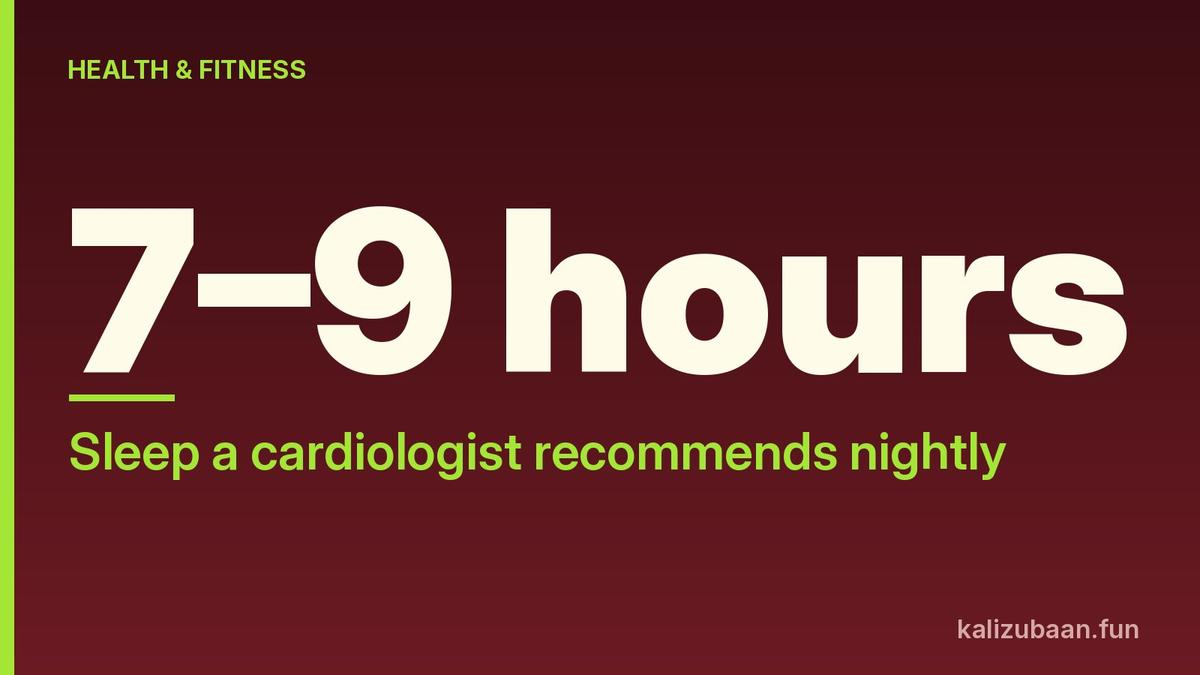
- Skipping meals and sleeping too little can both raise blood pressure, blood sugar and heart risk. The cardiologist recommends 7 to 9 hours of sleep.
Why this matters for Indian hearts
Cardiovascular diseases are the leading cause of death in the world. An estimated 19.8 million people died from them in 2022, about 32% of all global deaths, according to the World Health Organization.
The burden falls hardest on countries like India. The WHO says over three quarters of these deaths happen in low- and middle-income countries, often at younger ages and in people's most productive years.
The good news: the WHO says most cardiovascular diseases can be prevented by tackling risk factors like unhealthy diet, physical inactivity, tobacco and alcohol. That is why the small daily habits matter.
Dr Sunil Kumar Mandal, a senior consultant interventional cardiologist at Kailash Hospital, Greater Noida, told HT Lifestyle about five habits that look healthy but may not be. Here they are, with the numbers behind them.
Habit 1: Drinking fruit juice and smoothies
Whole fruit is good for your heart. Juice is a different thing, Dr Mandal says. Once the fibre is removed, juice is a concentrated dose of sugar that can quickly raise blood glucose.
"Prolonged high sugar levels are associated with weight gain, inflammation, and elevated triglycerides," he told HT. He adds that some bottled smoothies can contain as much sugar as a regular soft drink.
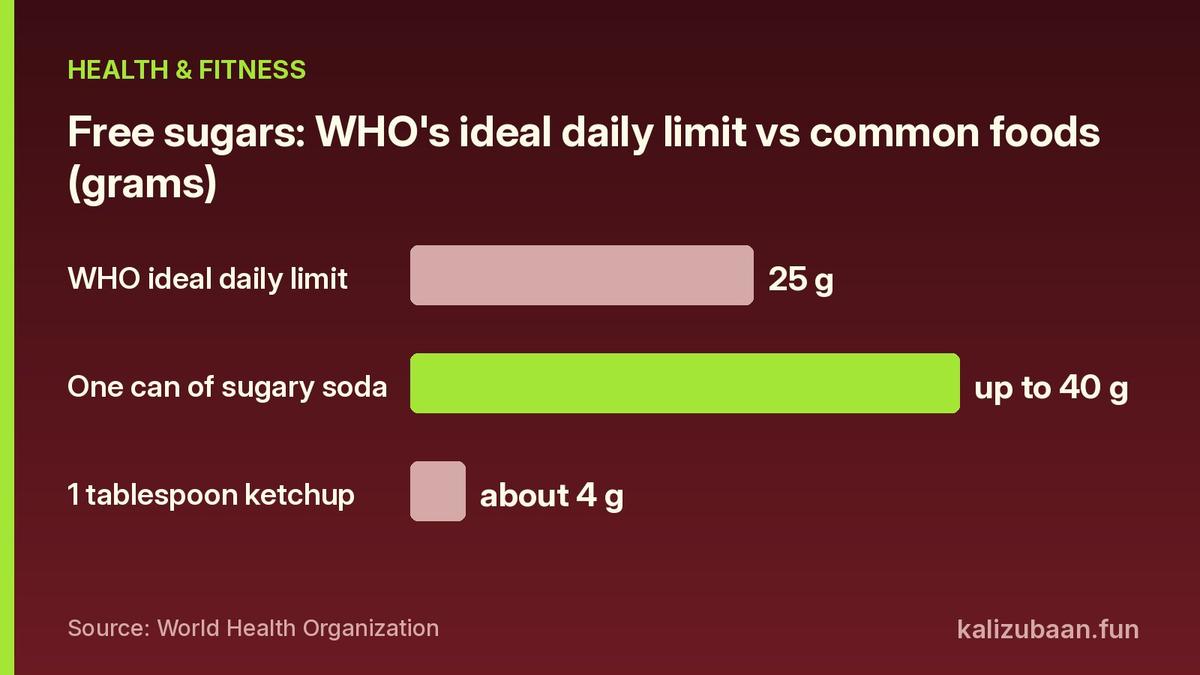
The WHO counts sugars in fruit juices as "free sugars", the kind it wants people to limit. It recommends keeping free sugars below 10% of daily energy, and says cutting to below 5%, roughly 25 grams or 6 teaspoons a day, brings extra benefits.
Source: World Health Organization
A single can of sugar-sweetened soda can hold up to 40 grams of free sugars, the WHO says. That is more than the ideal daily limit in one go.
What to do instead: eat the whole fruit. If you love smoothies, Dr Mandal suggests making them at home with vegetables and protein.
Habit 2: Trusting "low-fat" and "sugar-free" labels
Food labels can mislead. To keep fat-free food tasty, manufacturers may add more sugar, sodium or refined starch, Dr Mandal says.
"Sugar-free" snacks are often heavily processed and can trigger cravings. The WHO makes a related point: much of the sugar people eat is "hidden" in processed foods that don't seem sweet. One tablespoon of ketchup has around 4 grams of free sugars.
What to do instead: turn the pack over. "You shouldn't just rely on the claims on the front," Dr Mandal says. Check the ingredients and the nutrition label.
Habit 3: Over-training without recovery
Exercise is one of the best things you can do for your heart. Lack of it is a real danger: the WHO says people who are insufficiently active have a 20% to 30% higher risk of death than people who are active enough.
But more is not always better. Dr Mandal warns that strenuous exercise with too little rest can overstress the cardiovascular system, raise stress hormones and may lead to cardiac arrhythmia, an irregular heartbeat.
His target is about 150 minutes of moderate activity per week, with planned rest days. That matches the WHO's minimum. Yet the WHO says 31% of adults worldwide, about 1.8 billion people, don't even reach it.
Warning signs to stop and see a doctor: chest pain, shortness of breath or feeling faint during exercise.
Habit 4: Skipping meals to cut calories
Skipping meals often backfires for weight loss, and can even be dangerous, Dr Mandal says. People who eat sporadically tend to overeat later in the day.
He explains that the body's systems get out of sync, and blood pressure, cholesterol and blood sugar can rise. Steady metabolic health depends on eating regular, balanced meals.
What to do instead: eat consistent meals at regular times. For a typical Indian day, that means not skipping breakfast and then making up for it with a heavy late dinner.
Habit 5: Ignoring sleep in favour of diet and exercise
This one surprises people. A clean diet and a gym habit don't guarantee a healthy heart if you also live with constant stress and poor sleep.
"A number of studies indicate that sleeping less than seven hours a night contributes to higher blood pressure, weight gain and an increased risk of heart disease," Dr Mandal told HT. Stress hormones like cortisol and adrenaline can also push people toward overeating and skipping exercise.
The US National Heart, Lung, and Blood Institute agrees that good sleep helps heal and repair the heart and blood vessels. It also says poor sleep raises the hunger hormone ghrelin and lowers leptin, the hormone that makes you feel full.
Even small losses add up. After several nights of losing just 1 to 2 hours of sleep, your ability to function suffers as if you had not slept at all for a day or two, the NHLBI says.
What to do instead: Dr Mandal recommends 7 to 9 hours of sleep. To manage stress, he suggests simple habits like a relaxing walk, deep breathing or time with friends.
Who should be careful
If you already have high blood pressure, diabetes or a heart condition, talk to your doctor before changing your exercise routine or diet. The same goes for anyone who gets chest pain, breathlessness or faintness while exercising.
FAQs
Is fruit juice bad for the heart? Not in itself, but it is very different from whole fruit. Without fibre, juice can raise blood sugar quickly, and the WHO counts juice sugars as free sugars to limit. Whole fruit is the better choice.
How much exercise is enough for heart health? Dr Mandal and the WHO both point to at least 150 minutes of moderate activity a week, with rest days built in.
How much sleep do I need for a healthy heart? Dr Mandal recommends 7 to 9 hours a night. He says studies link less than 7 hours to higher blood pressure, weight gain and heart disease risk.
Are low-fat foods healthier? Not always. Manufacturers may add sugar, salt or refined starch to make up for lost flavour. Always read the full label.
This article is for information only and is not medical advice. Talk to a doctor before changing your diet or training.
Sources
Tagged Topics
Keep reading
Thanks for reading Kali Zubaan
Explore more articles in Health & Fitness or return to the main publication feed.


