₹10 Lakh per Bill: RBI's New Rule for Freelancers Paid Abroad
Since 1 October, service exporters must file an export declaration form with their bank. Here is who it covers, what the RBI Governor said about individual freelancers, and what to do while the FAQ is awaited.
You finish a logo for a client in London, send the invoice, and the dollars land in your bank. Since 1 October, that simple flow comes with a new form for many service exporters.
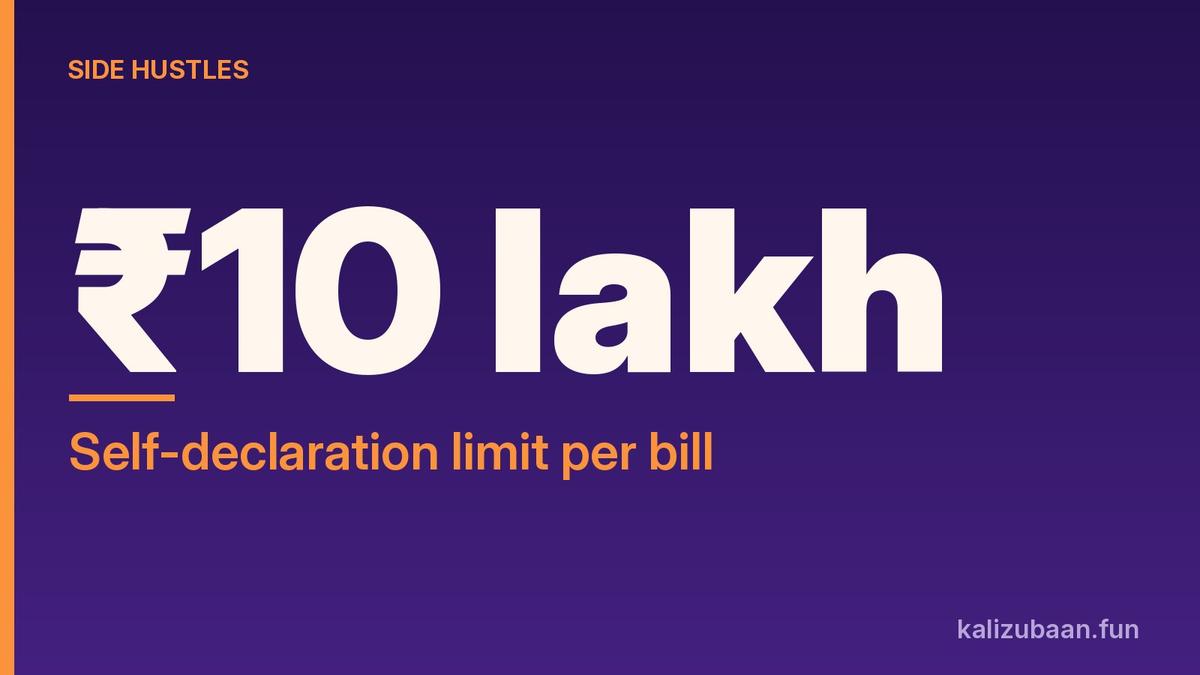
The RBI's new foreign exchange rules ask service exporters to file an export declaration form, or EDF, with their bank. And for bills up to Rs 10 lakh, the RBI Governor says a self-declaration can be used instead of an invoice.
Quick answer
- New FEMA regulations effective 1 October require service exporters, including many freelancers on Fiverr and Upwork, to submit an EDF to their bank.
- On 7 October, RBI Governor Sanjay Malhotra said individuals doing transactions of a personal nature, including tutoring and small software assignments for overseas clients, are not required to report.
- For transactions up to ₹10 lakh per bill, a self-declaration can replace the invoice.
- The RBI is expected to issue an FAQ. Until then, keep invoices and payment records and ask your bank what it needs.
What changed for freelancers
The Foreign Exchange Management (Export and Import of Goods and Services) Regulations, 2026 now ask service exporters to submit an export declaration form to their authorised dealer bank, Mint reports. The form records which services you exported and what payments are due from overseas clients.
Earlier, such declarations mostly applied to goods and software exports. Now services are covered too, which pulls in content writers, digital marketers, designers and freelancers working through global marketplaces.
The aim is to track export transactions and make sure foreign exchange earnings come into India. One chartered accountant told Mint it could also help flag cases where services are falsely declared to move money across borders.
The Governor's clarification
The regulations themselves do not explicitly exempt any group of service exporters, according to CA Harshal Bhuta in Mint. That caused a lot of worry among solo freelancers.
Then, at a press conference on 7 October, Governor Sanjay Malhotra said individuals are not required to report transactions of a personal nature, whether imports or exports, and irrespective of the amount. Moneycontrol reports he gave examples like subscriptions to apps and newspapers, and individuals providing services abroad such as tutoring or small software services.
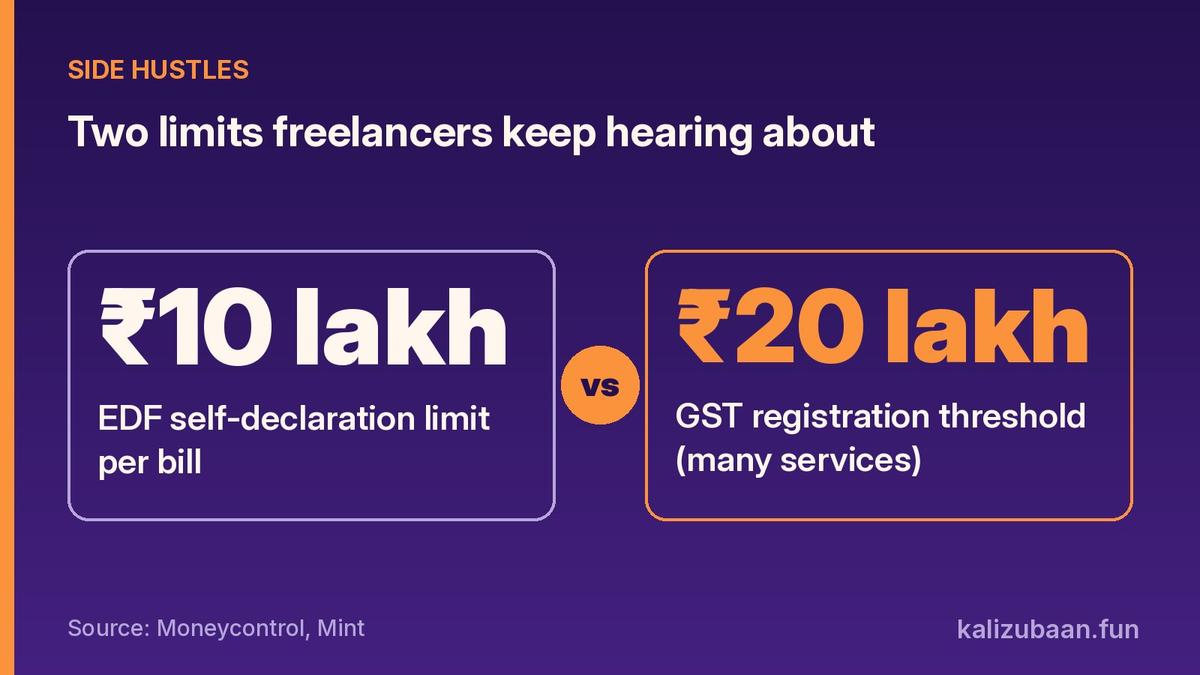
He also said small exporters inside the framework get relief: for transactions up to Rs 10 lakh per bill, a self-declaration can be used instead of submitting an invoice. Reporting on the RBI's monitoring systems will be handled by banks, with the customer giving the bank the required details.
Source: Moneycontrol, Mint
Why there is still confusion
Experts say the clarification raised new questions. It is not yet clear whether every independent freelancer counts as an individual doing "personal" transactions, or whether some sole proprietors will be treated as businesses.
Skydo's Rohan Sewani told Moneycontrol that individual exporters had panicked because they lack accounting teams and CA support to file forms every month. He called the clarification good news, but said they are still waiting for the FAQ.
Chartered accountant Vijaykumar Puri suggested in Mint that small freelancers below an income threshold should be exempt, similar to the ₹20 lakh GST registration threshold for many service providers. That is a suggestion, not the rule today.
How and when the EDF is filed
If you are covered, Mint explains the timing like this:
- You can submit one consolidated EDF for all invoices raised in a calendar month, within 30 days after that month ends. Invoices raised in October can be reported together by 30 November.
- For services other than software, the EDF can also be filed on or before the date payment arrives. Filing first can make matching easier, otherwise the bank may treat the money as an advance until it is matched.
- Most banks are currently taking physical forms at branches, and digital filing is expected to follow. Axis Bank has started adding it to its digital platform, according to Bhuta.
- If you are paid through PayPal, Wise or Skydo, the declaration goes to the bank where your final rupee settlement is credited.
What happens if you skip it
Experts told Mint that a missing EDF cannot stop an international payment, and banks have not been given extra powers to hold payments over a mismatch.
But skipping it is still a bad idea if the rule applies to you. Banks will match your invoices against money received, including the amount, the type of service and the purpose code.
Mismatches between invoice descriptions, your six-digit SAC code under GST, and RBI purpose codes can cause trouble. An unmatched invoice may keep showing as outstanding even after you were paid, and old unmatched entries are hard to fix later.
A simple checklist for now
- Keep clean invoices. Describe the service clearly and keep the amount the same as what the client pays.
- Use the right purpose code. When your bank or payment app asks, choose the code that matches your actual work.
- Ask your bank directly. Since banks handle the reporting, ask whether they need an EDF or a self-declaration from you.
- Save payment records. Keep platform statements and bank credit advices together month by month.
- Watch for the RBI FAQ. It should settle who counts as an individual.
Tax and legal note: this is information only, not advice. Check with a CA about your own setup.
FAQs
Do I need to file an EDF if I freelance on Upwork or Fiverr? Mint says the rules can cover marketplace freelancers, but the Governor said individuals doing personal-nature work like tutoring or small software services need not report. Until the FAQ arrives, confirm with your bank.
What is the ₹10 lakh limit? For transactions up to ₹10 lakh per bill, the Governor said a self-declaration can be used instead of submitting an invoice.
Can my bank block my payment if I don't file? Experts told Mint banks have no new power to withhold payments just because of an EDF mismatch, but unmatched invoices can create reconciliation problems later.
Where do I file if I use Wise or PayPal? With the bank where your final rupee settlement lands.
Have you been asked for an EDF by your bank yet? Tell us what they said in the comments.
Results vary; nothing here is a promise of income.
Sources
Tagged Topics
Keep reading
Thanks for reading Kali Zubaan
Explore more articles in Side Hustles or return to the main publication feed.